
Spirulina Benefits: Everything You Need to Know Before Adding It to Your Diet
Spirulina Benefits: Everyone should know Before Adding It to Your Diet
If you have recently started focusing on your health, fitness, or nutrition, you have probably heard the name Spirulina.
From gym enthusiasts to people trying to improve their daily nutrition, Spirulina has become a popular supplement choice. Some people call it a “superfood,” while others are still confused about whether it is actually worth adding to their routine.
So, what makes Spirulina so popular? Is it really beneficial, or is it just another trending supplement?
In this guide, we will break down everything you need to know about Spirulina, including its benefits, nutritional value, how to use it, possible side effects, and things to consider before buying it.
What Is Spirulina?
Spirulina is a type of blue-green algae that naturally grows in freshwater and marine environments. Although the word “algae” may not sound very appealing, Spirulina has gained attention because of its impressive nutritional profile.
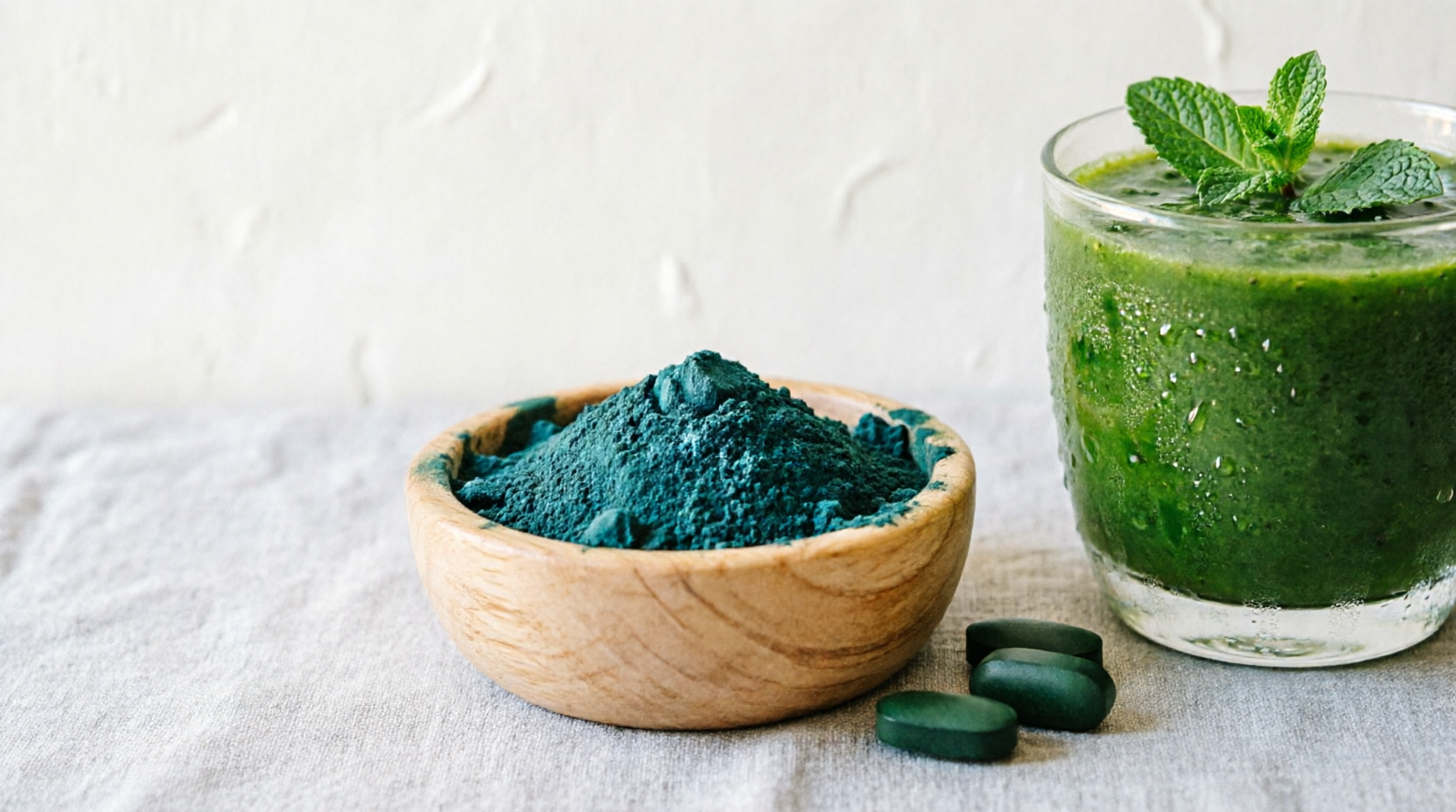
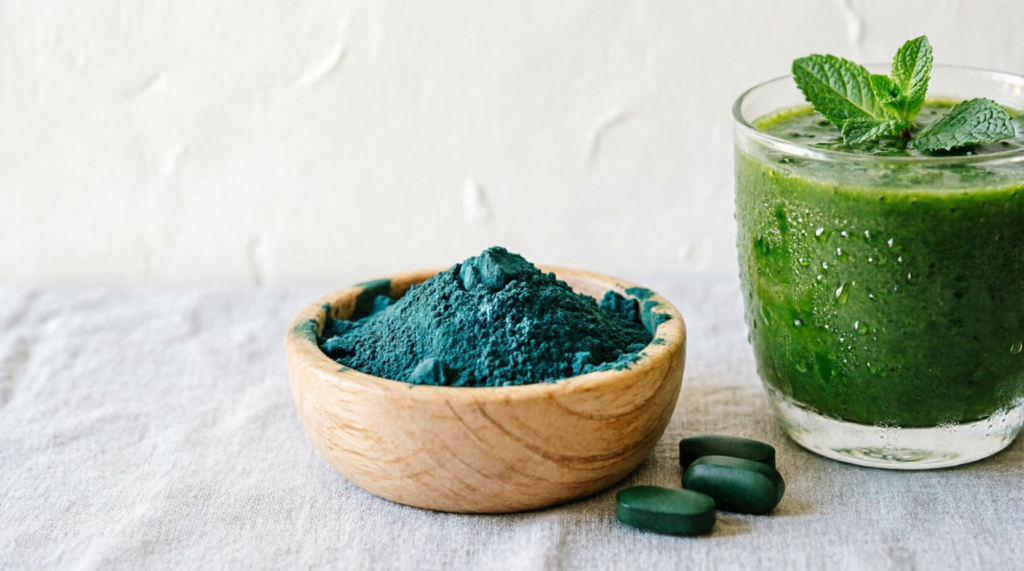
Today, it is commonly available as a powder, tablet, or capsule supplement.
Unlike many processed supplements, Spirulina is naturally rich in nutrients, which is one of the main reasons health-conscious people include it in their diet.
Why Is Spirulina Called a Superfood?
The term “superfood” is often used for foods that contain a high amount of nutrients compared to their calorie content.
Spirulina became popular because a small serving can provide several important nutrients, including:
- Plant-based protein
- Iron
- Magnesium
- Potassium
- Copper
- B Vitamins
- Antioxidants
- Essential amino acids
However, it is important to understand that Spirulina is not a magic solution. A healthy lifestyle still depends on a balanced diet, exercise, proper sleep, and consistency.
Nutritional Profile of Spirulina
One of the biggest reasons people choose Spirulina is its nutrient density.
It contains a significant amount of protein, making it interesting for people who follow vegetarian or plant-based diets.
It also contains phycocyanin, a natural compound responsible for its blue-green color. Phycocyanin has antioxidant properties that have made Spirulina popular in the wellness industry.
The exact nutritional value can vary depending on the quality and brand of the product.
Potential Benefits of Spirulina

1. May Support Daily Protein Intake
Protein is one of the most important nutrients for muscle maintenance, recovery, and overall health.
Spirulina contains plant-based protein, which makes it a useful addition for people who want to increase their protein intake.
For fitness enthusiasts, it can be included alongside other protein sources such as eggs, dairy products, legumes, or protein supplements.
Remember, Spirulina should be considered a supplement, not a complete replacement for your main protein sources.
2. Rich in Antioxidants
Our body naturally produces free radicals during normal processes. Excess oxidative stress can affect overall wellness.
Spirulina contains antioxidants, especially phycocyanin, which is one reason it has gained popularity among health-conscious individuals.
Including antioxidant-rich foods in a balanced diet is generally considered a positive approach toward better nutrition.
3. Supports Overall Nutrition
Modern lifestyles can sometimes make it difficult to maintain a perfectly balanced diet every day.
Busy schedules, eating outside frequently, and processed foods can affect nutritional quality.
Spirulina can be a convenient way to add additional nutrients to your routine.
Many people add it to smoothies or shakes as part of their daily wellness habits.
4. Popular Among Gym and Fitness Communities
Walk into any supplement store today, and you will find many products targeting fitness enthusiasts.
Spirulina has become popular among gym-goers because it provides protein and micronutrients in a convenient form.
Some people include it in their diet during fitness journeys because they want additional nutritional support.
However, results from fitness depend mainly on:
- Proper training
- Adequate protein intake
- Quality sleep
- Consistent habits
No single supplement can replace these basics.
5. Easy to Add Into Your Routine
One reason Spirulina has become popular is because it is simple to consume.
You can add Spirulina powder to:
- Smoothies
- Protein shakes
- Fruit juices
- Yogurt
- Water
If you don’t like the taste of Spirulina powder, tablets and capsules are also available.
Spirulina Powder vs Spirulina Tablets: Which Is Better?
Both forms have their own advantages.
Spirulina Powder
Advantages:
- Easy to mix with drinks
- Flexible serving size
- Good for smoothies
Disadvantages:
- Strong taste
- Not everyone enjoys the flavor
Spirulina Tablets
Advantages:
- Convenient
- Easy to carry
- No strong taste
Disadvantages:
- Less flexible compared to powder
The better option depends on your personal preference and lifestyle.
Best Time to Take Spirulina
Many people wonder about the best time to consume Spirulina.
The truth is there is no single perfect time that works for everyone.
Some people prefer taking it:
- In the morning with breakfast
- Before a workout
- With a smoothie
- Along with a meal
The most important thing is consistency.
How Much Spirulina Should You Take?
The ideal amount can depend on several factors, including your diet, lifestyle, and health goals.
If you are starting for the first time, it is generally better to begin with a smaller amount and see how your body responds.
Always follow the serving instructions mentioned on the product label.
People with medical conditions or those taking medications should consult a healthcare professional before adding new supplements.
Possible Side Effects of Spirulina
Although many people tolerate Spirulina well, some individuals may experience mild issues.
Possible side effects include:
- Stomach discomfort
- Bloating
- Nausea
- Headache
If you experience any unusual reaction, stop using the supplement and seek professional advice.
How to Choose a Good Spirulina Supplement?
The quality of supplements matters.
Before buying Spirulina, consider these points:
Check the Brand Reputation
Choose companies that provide clear information about their products.
Look for Quality Testing
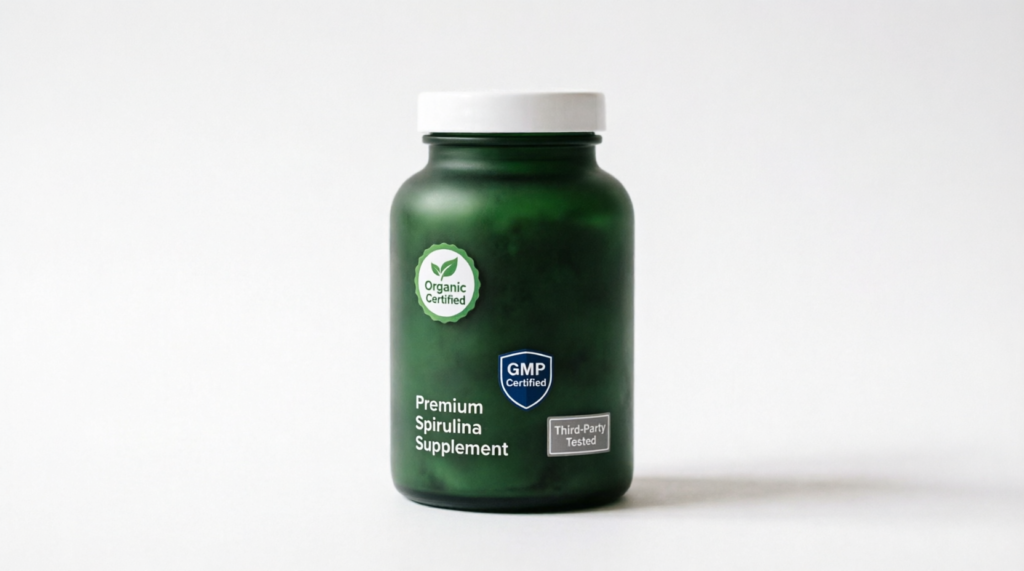
Third-party testing can help ensure better quality and safety standards.
Read Ingredients Carefully
Avoid products with unnecessary additives or fillers.
Don’t Buy Only Because of Price
The cheapest option is not always the best option when it comes to supplements.
Common Questions About Spirulina
Is Spirulina good for weight loss?
Spirulina itself does not directly burn fat. However, it can be part of a healthy diet that supports weight management.
Weight loss mainly depends on calorie balance, physical activity, and lifestyle habits.
Can Spirulina replace protein powder?
No. Spirulina contains protein, but it is not a direct replacement for dedicated protein powders.
Is Spirulina safe for daily use?
Many healthy adults use Spirulina regularly. However, individual responses can vary.
Can beginners take Spirulina?
Yes, beginners can include Spirulina as part of a balanced diet by following proper usage guidelines.
Final Thoughts
Spirulina is a nutrient-rich supplement that has gained popularity for good reasons. Its combination of plant-based protein, antioxidants, vitamins, and minerals makes it an interesting addition to a healthy lifestyle.
However, it is important to keep expectations realistic. Spirulina is not a shortcut to fitness or perfect health.
The foundation of good health remains simple: eat nutritious food, exercise regularly, sleep well, and stay consistent.
If you decide to include Spirulina in your routine, choose a quality product and use it as a supportive part of your overall lifestyle.
Disclaimer
This content is for educational purposes only and should not be considered medical advice. Always consult a qualified healthcare professional before making significant changes to your diet or starting any new supplement.