Uncategorized

  • Uncategorized

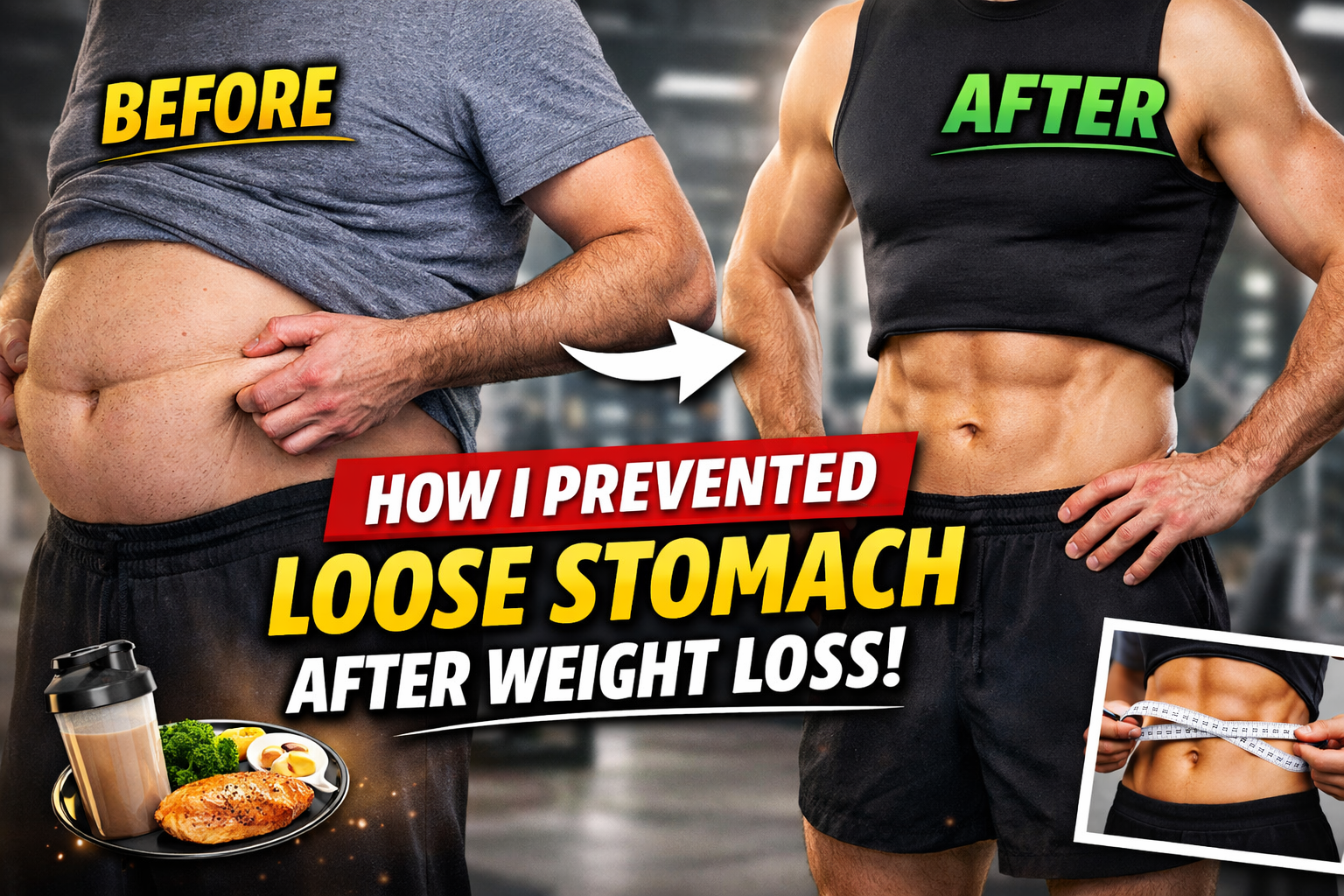
    Why Stomach Becomes Loose After Weight Loss (And How I Prevented It Naturally)

    Why My Stomach Did Not Become Loose After Weight Loss: My Real Experience
    Image 5 1024x683

    I still remember the day I stepped on the weighing scale and saw 121 kg. Honestly, losing weight sounded exciting at first. But one thought kept coming back again and again.

    What if I lose weight… and my stomach becomes loose?

    I had already seen people who looked lighter on the scale but unhappy in the mirror. Because of that, I decided early on that I wouldn’t chase fast results. I wanted to lose weight, yes — but not at the cost of a sagging belly.

    Over the next six months, as my weight slowly moved from 121 kg to 97 kg, I started understanding why the stomach becomes loose after weight loss and what actually helps prevent it.

    This approach worked because my stomach-tightening journey focused on habits, patience, and consistency rather than rushing the process. how I tightened my stomach after weight loss


    Why Does the Stomach Become Loose After Weight Loss?

    In simple words, the stomach becomes loose when fat reduces faster than the body can adjust. However, that’s not the full story. There are a few mistakes most people make — including me, in the beginning.

    Rapid Weight Loss Without Muscle Support

    At first, I thought faster weight loss meant better progress. But very quickly, I realised that when weight drops too fast, fat disappears before muscles get strong enough to support the skin.

    As a result, the stomach looks flatter, but it feels soft. That’s usually the first sign of a problem.

    Low Protein Intake During Weight Loss

    Another mistake I see very often is cutting calories aggressively while completely ignoring protein. I did this too, initially.

    Without enough protein, muscle slowly weakens. And when muscle weakens, the stomach loses its firmness. Once I fixed this, things started changing — not overnight, but steadily.

    Ignoring Core Strength

    For a long time, I believed walking was enough. Walking definitely helped with fat loss. However, it did nothing to pull my stomach inward.

    That only started happening once I began paying attention to core strength. Not fancy abs. Just basic control.


    What I Did Differently This Time

    I Slowed Everything Down

    Instead of rushing, I focused on consistency. Roughly 24 kg in six months. Some weeks felt great. Some weeks felt painfully slow.

    But slowing down gave my body time to adapt. Because of that, my stomach never reached that loose, hanging stage.

    I Focused on Core Control, Not Extreme Exercises

    I didn’t jump into hardcore workouts. Most days, it was just planks, controlled leg movements, and breathing properly.

    Over time — and this part is important — my posture improved. And once posture improves, the stomach automatically looks tighter.

    I Took Water Retention Seriously

    This surprised me. Some days my stomach looked softer even though fat was reducing. That’s when I realised it wasn’t fat — it was water retention.

    Reducing excess salt and staying hydrated made a visible difference within days. Not dramatic. Just noticeable.


    Can Loose Stomach After Weight Loss Be Prevented?

    In most cases, yes. However, it depends on how weight loss is approached.

    Extreme weight loss can still cause loose skin. That said, most people can avoid severe looseness by protecting muscle and being patient.


    How Long Does Stomach Tightening Take?

    • First few weeks: bloating reduces
    • 1–2 months: firmness slowly improves
    • 3–6 months: visible tightening appears

    Most importantly, this process is slow. And that’s actually a good thing.


    Final Thoughts

    Looking back, my journey from 121 kg to 97 kg taught me something important. Weight loss is not just about numbers.

    It’s about how your body feels. How you stand. And how confident you feel in your own skin.

    Loose stomach after weight loss is not inevitable. But avoiding it requires patience — and a bit of honesty with yourself.
  • Uncategorized

    Stomach Tight After Weight Loss – My Real Journey From 121 kg to 97 kg

    My Real Journey of Tightening My Stomach After Losing Weight

    Image 1 1024x683

    When I decided to lose weight, my biggest fear was not the diet or exercise. It was this question:

    “What if I lose weight but my stomach becomes loose and hanging?”

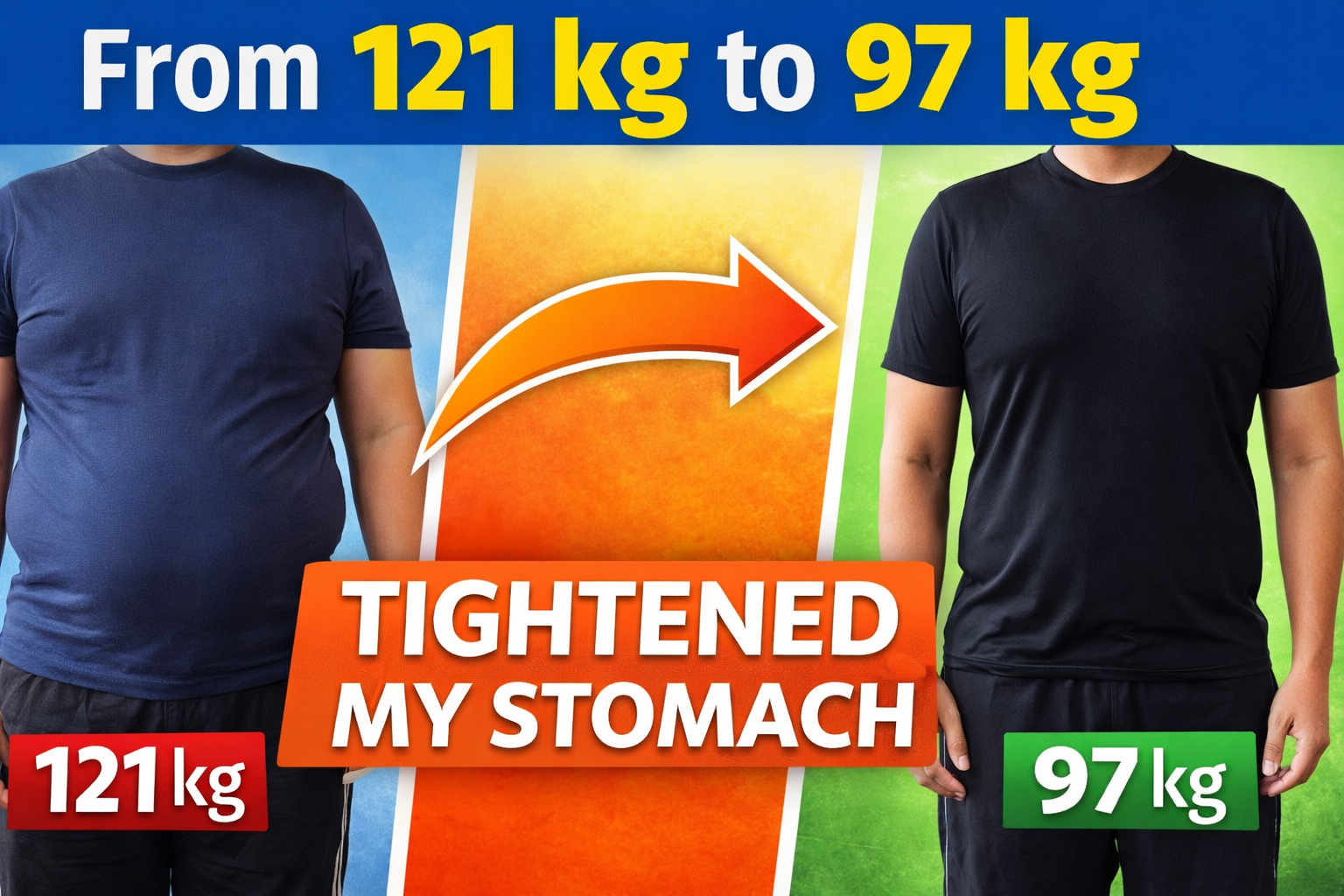
    Six months ago, my weight was 121 kg. Today, I am 97 kg.

    The weight loss itself felt great, but what mattered even more to me was keeping my stomach tight, controlled, and firm. In this blog, I’m sharing my real experience — what actually worked, what didn’t, and what I learned the hard way.


    Why a Loose Stomach Is Common After Weight Loss

    Many people assume that once fat goes away, the stomach will automatically look flat. In reality, weight loss often brings:

    • Loose skin around the belly
    • Soft stomach despite fat loss
    • A weak core and poor posture

    This usually happens because fat is lost faster than muscle, and the body doesn’t get enough support to hold its shape.

    I knew early on that I didn’t just want to lose kilos — I wanted to lose fat without losing firmness.


    My Starting Point: Life at 121 kg

    At 121 kg, my lifestyle was far from ideal.

    • Unstructured eating habits
    • High carbs, very low protein
    • Minimal physical activity
    • Weak core and poor posture

    I wasn’t just uncomfortable physically — mentally too, I lacked confidence. That was my turning point.


    The Biggest Mistake People Make While Losing Weight

    I almost made this mistake myself:

    “Just lose weight fast, everything else will fix itself.”

    Fast weight loss without muscle support leads to:

    • Loose stomach
    • Flat but weak-looking body
    • Loss of strength

    Once I understood this, my entire approach changed.


    What Actually Helped Me Tighten My Stomach

    1. Protein Became My Top Priority

    Protein played a massive role in keeping my stomach tight. It helped preserve muscle while fat was reducing.

    I didn’t chase supplements. I focused on consistent protein intake from daily food. Within a few weeks, my stomach started feeling firmer instead of soft.

    2. I Avoided Crash Dieting

    I lost 24 kg in 6 months, not in 6 weeks. This slower pace allowed my body to adjust naturally.

    The result? Less loose skin and better stomach control.

    3. Walking Was My Daily Habit

    Walking became my foundation. It helped reduce belly fat, improve digestion, and control bloating.

    But walking alone was not enough for tightening. That’s where strength came in.

    4. Core Strength Made the Biggest Visual Difference

    I didn’t do extreme ab workouts. I focused on simple movements:

    • Planks
    • Leg raises
    • Controlled core activation

    These exercises pulled my stomach inward and improved posture, which instantly made the belly look tighter.

    5. I Controlled Water Retention

    A soft-looking stomach is not always fat — sometimes it’s water retention.

    Reducing excess salt, drinking enough water, and avoiding heavy junk meals made a visible difference within days.

    Food Choices That Supported Belly Tightening

    I didn’t follow extreme rules. I focused on balance:

    • Portion control
    • Less sugar and refined snacks
    • Simple, consistent meals

    This reduced bloating and inflammation, which directly affects how tight the stomach looks.

    What I Completely Avoided

    • Crash diets
    • Extreme calorie cutting
    • Only cardio, no strength
    • Expecting overnight results

    These are the main reasons people lose weight but remain unhappy with their stomach.


    My Current Weight: 97 kg — And How I Feel Now

    At 97 kg, the scale tells one story — but the mirror tells another.

    I feel:

    • Stronger core
    • Better posture
    • More control over my body
    • A stomach that looks firm, not hanging

    Is it perfect? No. Is it improving consistently? Absolutely.

    How Long Does It Take to Tighten the Stomach?

    Based on my experience:

    • 2–3 weeks: bloating and water weight reduce
    • 1–2 months: firmness starts improving
    • 3–6 months: visible tightening and better shape

    Consistency matters more than genetics.

    Final Thoughts

    My journey from 121 kg to 97 kg taught me that weight loss is not just about becoming lighter. It’s about becoming stronger and more confident.

    If you focus on how you lose weight — not just how much — your stomach does not have to become loose.

    Weight loss should remove insecurity, not create new ones.

  • Uncategorized

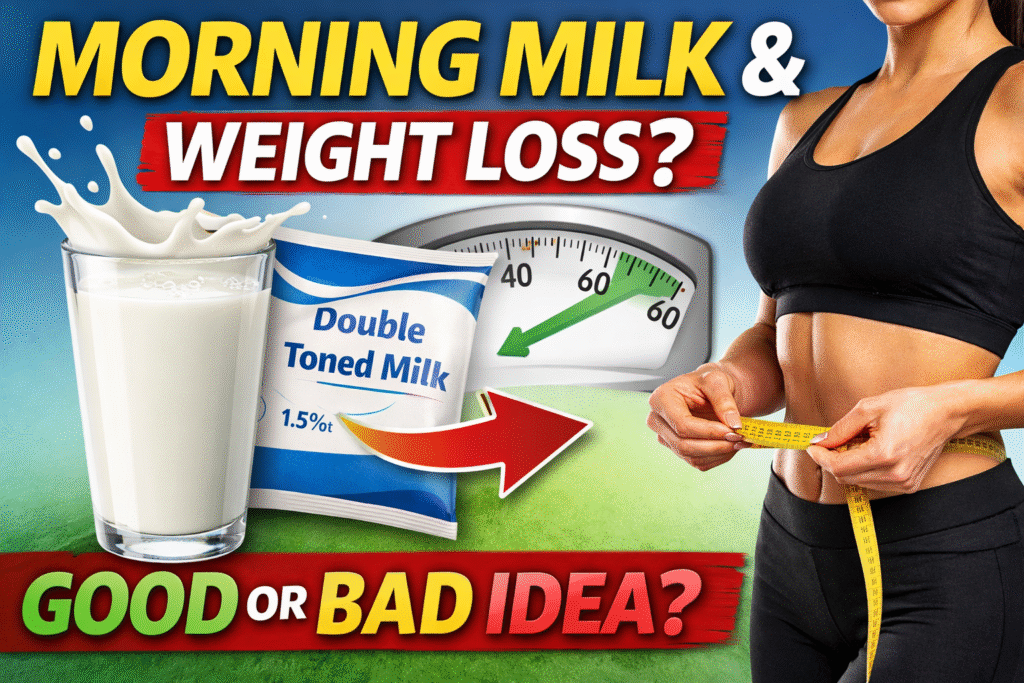
    Is Drinking Double Toned Milk in the Morning Good for Weight Loss?

    Should You Drink Double Toned Milk in the Morning While Trying to Lose Weight?

    Image 1024x683

    If you are trying to lose weight, chances are you have asked yourself this question: Should I drink milk in the morning or avoid it?

    Some people believe milk causes fat gain, while others say it helps with recovery and keeps the body tight. So what is the truth?

    Let’s break it down in a simple and practical way — without myths and without confusion.


    What Is Double Toned Milk?

    Double toned milk is a low-fat version of milk where most of the cream is removed, but the protein and calcium content remains almost the same.

    That is why it is commonly preferred during weight loss.

    • Fat: ~1.5%
    • Calories: Low
    • Protein: Moderate
    • Calcium: High

    Calories in Double Toned Milk

    • 100 ml: ~45 calories
    • 250 ml: ~110 calories
    • 500 ml: ~220–230 calories

    Does Drinking Milk in the Morning Cause Weight Gain?

    Weight gain does not happen because of one food item. It happens when total daily calorie intake is consistently higher than what the body burns.

    A glass of low-fat milk in the morning does not automatically turn into fat.

    If you walk regularly, stay active, and avoid excess junk food, milk simply becomes part of your nutrition — not a problem.


    What Happens When You Start Drinking Milk in the Morning?

    Many people notice these changes after including double toned milk in their routine:

    • Better morning energy
    • Reduced cravings during the day
    • Improved recovery after walking or workouts
    • No loose or saggy feeling in the body

    This happens because milk provides protein, and protein helps preserve muscle during weight loss.

    When muscle stays strong, the body looks tight instead of loose.


    How Much Protein Does Double Toned Milk Provide?

    • 250 ml milk: ~8 g protein
    • 400 ml milk: ~13 g protein
    • 500 ml milk: ~16 g protein

    Protein plays a key role in maintaining body shape while losing fat.


    The Thermic Effect of Milk

    Digesting food itself burns calories. Protein has a higher digestion cost compared to fats and carbohydrates.

    From 500 ml of double toned milk, around 15–20 calories are burned automatically during digestion.

    This slightly reduces the net calorie impact of milk.


    How Much Walking Is Needed to Burn Milk Calories?

    500 ml of double toned milk contains roughly 225 calories.

    • Normal walking: 45–50 minutes
    • Brisk walking: 30–35 minutes
    • Stairs or incline walking: 20–25 minutes

    If you already walk daily, milk does not slow down your progress.


    Best Way to Drink Milk in the Morning

    What Works Best

    • Drink after a morning walk or workout
    • Keep the quantity between 250–300 ml
    • Drink plain or slightly warm milk

    What to Avoid

    • Full-cream milk
    • Adding sugar
    • Drinking milk with biscuits or bread
    • Large quantities late at night

    When Milk May Not Feel Right

    Milk may cause discomfort if:

    • Physical activity is very low
    • Sugar and refined carbs are already high
    • Milk is combined with junk snacks
    • Large amounts are consumed at night

    In most cases, the issue is the overall routine, not milk itself.


    Can Milk Help Make the Body Tight?

    Milk alone is not magic, but it supports the process.

    For a tighter body, these habits work together:

    • Adequate daily protein
    • Basic strength exercises
    • Regular walking
    • Proper sleep
    • Controlled salt and sugar intake

    Final Thoughts

    Double toned milk is low in fat, moderate in calories, and helpful for protein intake.

    When used wisely, it supports weight loss instead of blocking it.

    Milk does not cause weight gain — habits do.

  • Uncategorized

    What Happened When I Walked 10,000 Steps Daily for 21 Days (An Honest Experience)

    Walking is often called the most underrated form of exercise. No gym, no equipment, no complex routine — yet very few people take it seriously. To test its real impact, I walked 10,000 steps every day for 21 days. This article shares my honest, experience-based results.

    Image A1cc3165 79d7 4e5f B0d5 9225fa535659

    Why I Decided to Walk 10,000 Steps Every Day

    At Fitness Nexa, we believe sustainable fitness matters more than extreme workouts. I was not chasing fast weight loss or dramatic transformations. I wanted to understand whether simple daily movement could improve energy, mood, and overall health.

    The goal was consistency — not perfection. No supplements. No calorie tracking. No gym workouts added intentionally. Just walking.


    How I Completed 10,000 Steps Daily (Realistic Approach)

    Walking 10,000 steps in one session is unrealistic for most beginners. So I divided my steps throughout the day.

    • Morning walk: 3,000–4,000 steps
    • Afternoon movement: 2,000–3,000 steps
    • Evening walk: Remaining steps

    Some days were outdoor walks. Other days included indoor walking, pacing during phone calls, and using stairs. The key was flexibility.


    Week 1 Experience: Harder Than Expected

    Physical Feelings

    The first week was uncomfortable. Not painful — but my body was clearly adjusting.

    • Mild foot soreness
    • Tight calves
    • Lower body fatigue

    This surprised me. Many people think walking is effortless, but if your lifestyle is mostly sedentary, even walking becomes a challenge.

    Mental Resistance

    The biggest challenge was mental. Some days, motivation was low. I constantly thought about skipping steps and compensating later. This is where discipline mattered.


    Week 2 Experience: Energy & Mood Shift

    By the second week, something changed. Walking no longer felt forced. It became part of my daily routine.

    Improved Energy Levels

    Mornings felt lighter. I noticed less sluggishness during the day. Even after long sitting hours, my body felt more active.

    Digestion & Appetite

    Digestion improved noticeably. Bloating reduced. Hunger cues felt natural instead of random cravings. This is a benefit many people underestimate.

    Mental Health Benefits

    Walking became my mental reset. No phone distractions. No pressure. Just movement. Stress didn’t disappear, but it felt easier to manage.


    Week 3 Experience: Visible & Internal Changes

    By week three, walking felt normal. I no longer had to force myself.

    Body Changes (Honest Truth)

    There was no dramatic weight loss. No six-pack. But subtle changes were noticeable:

    • Reduced water retention
    • Better posture
    • Less stiffness in legs and lower back

    My clothes felt slightly more comfortable. The change was slow — but real.

    Endurance & Recovery

    Daily stamina improved. I could walk longer without fatigue. Recovery between days felt easier. My body adapted naturally.


    Calories Burned by Walking 10,000 Steps

    Calories burned depend on body weight, pace, and terrain. On average:

    • Approx. 300–450 calories burned per day
    • Higher if walking pace is brisk

    Walking alone may not cause rapid fat loss, but it creates a calorie deficit without stressing the body.


    Common Mistakes People Make With 10,000 Steps

    • Trying to do all steps at once
    • Ignoring footwear and posture
    • Walking too fast initially
    • Expecting dramatic results in a week

    Walking is a long-term habit, not a short-term challenge.


    Is Walking 10,000 Steps Enough for Fat Loss?

    Walking supports fat loss, but it works best when combined with:

    • Balanced diet
    • Strength training (optional)
    • Proper sleep

    From experience, walking builds a strong fitness foundation. It prepares your body for more intense workouts later.


    Who Should Try the 10,000 Steps Challenge?

    • Beginners starting fitness
    • People with sedentary lifestyles
    • Those who dislike gym workouts
    • Anyone focusing on consistency over intensity

    My Final Verdict After 21 Days

    Walking 10,000 steps daily did not transform my body overnight. But it transformed my mindset.

    I moved more. I felt better. I stayed consistent.

    And that is exactly how real fitness progress starts.

    Simple habits, done daily, always win.

    Train smart. Stay active. — Fitness Nexa

  • Uncategorized

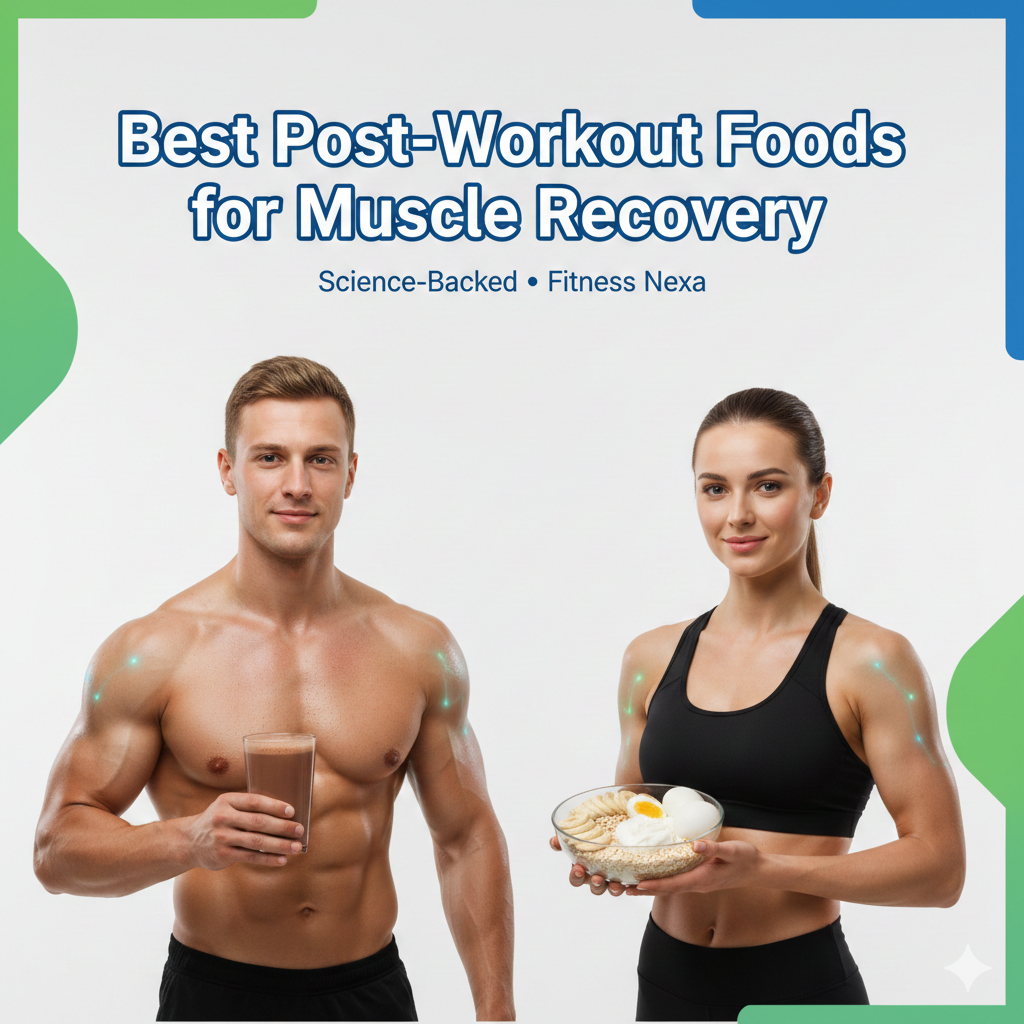
    What to Eat After Workout for Faster Muscle Recovery (Science-Backed Guide)

    Image 123e227b 5076 4197 B926 F04fe092521a

    Post-workout nutrition is one of the most underestimated factors in muscle growth, fat loss, and overall recovery. At Fitness Nexa, we have seen one clear pattern — people train hard, but recover poorly. This guide will help you understand exactly what to eat after a workout to repair muscles faster, reduce soreness, and improve performance naturally.

    Whether you are a beginner or someone training regularly, choosing the right post-workout foods can make a measurable difference in results.


    Why Post-Workout Nutrition Matters More Than You Think

    During exercise, especially resistance training and high-intensity workouts, your muscles undergo microscopic damage. This is not a bad thing — it is how muscles grow. But without proper nutrition, this damage turns into prolonged soreness, fatigue, and stalled progress.

    From real-world coaching experience, most beginners either skip meals after workouts or eat random foods that slow down recovery.

    Post-workout nutrition helps with:

    • Muscle protein synthesis (muscle repair & growth)
    • Glycogen replenishment (energy restoration)
    • Reducing muscle soreness and fatigue
    • Hormonal balance and immune support

    The Ideal Post-Workout Nutrition Window (Reality Check)

    You may have heard about the “30-minute anabolic window.” In real life, it is not that strict. However, consuming a balanced meal within 1–2 hours after training is still optimal.

    From experience, people who consistently eat proper post-workout meals recover better than those who delay eating for several hours.


    Best Post-Workout Foods for Muscle Repair

    1. Eggs – Complete Protein for Muscle Repair

    Eggs provide all essential amino acids, including leucine, which directly stimulates muscle protein synthesis. They are affordable, versatile, and highly bioavailable.

    • Protein-rich
    • Supports lean muscle growth
    • Easy to digest post-workout

    2. Chicken Breast – Lean Protein Source

    Chicken breast is a staple in fitness diets for a reason. It delivers high-quality protein without excess fat, making it ideal for post-workout recovery.

    3. Greek Yogurt / Curd – Protein + Probiotics

    Curd is often underestimated. It provides protein, calcium, and gut-friendly probiotics that improve nutrient absorption.

    4. Whey Protein – Fast Absorbing Recovery Fuel

    Whey protein is one of the most researched supplements in sports nutrition. It digests quickly and delivers amino acids to muscles efficiently.

    From experience, whey protein is especially helpful for people who struggle to eat solid food immediately after workouts.

    5. Banana – Fast Energy Replenishment

    Bananas are rich in carbohydrates and potassium, helping restore muscle glycogen and prevent cramps.

    6. Oats – Slow-Digesting Recovery Carbs

    Oats provide sustained energy and help balance blood sugar levels after intense training sessions.

    7. Sweet Potato – Clean Carb Source

    Sweet potatoes are rich in complex carbohydrates, vitamins, and antioxidants that support recovery and reduce inflammation.

    8. Paneer – Slow Digesting Protein

    Paneer contains casein protein, which digests slowly and supports long-term muscle repair. Ideal for evening or night workouts.

    9. Nuts & Seeds – Healthy Fats for Hormonal Health

    Almonds, walnuts, and flaxseeds provide essential fats that support hormone production and joint health.

    10. Water & Electrolytes – Often Ignored but Critical

    Dehydration slows recovery. Replacing fluids and electrolytes is essential for muscle function and performance.


    Post-Workout Meal Examples (Practical & Realistic)

    • Egg omelet + oats + fruit
    • Whey protein shake + banana
    • Chicken breast + rice + vegetables
    • Paneer + sweet potato
    • Curd + nuts + honey

    Common Post-Workout Nutrition Mistakes

    • Skipping meals after training
    • Relying only on supplements
    • Eating junk foods assuming workout cancels it out
    • Ignoring hydration

    From experience, consistency matters more than perfection. Even simple meals done regularly outperform complex plans done occasionally.


    Myth vs Fact (Post-Workout Nutrition)

    Myth:

    You must eat within 30 minutes or muscles will not grow.

    Fact:

    Total daily protein intake and consistency matter more than exact timing.

    Myth:

    Only supplements can help recovery.

    Fact:

    Whole foods remain the foundation of recovery and health.


    Step-by-Step Post-Workout Nutrition Guide

    1. Hydrate immediately after training
    2. Consume protein within 1–2 hours
    3. Add carbohydrates based on workout intensity
    4. Include micronutrients from whole foods
    5. Maintain daily protein consistency

    Pros & Cons of Post-Workout Supplements

    Pros

    • Convenient
    • Fast absorption
    • Easy protein intake

    Cons

    • Not a replacement for whole foods
    • Quality varies by brand

    FAQs – Post-Workout Foods & Recovery

    How much protein should I consume post-workout?

    20–40 grams of high-quality protein is sufficient for most individuals.

    Can beginners use whey protein?

    Yes, whey protein is safe and effective when used responsibly.

    Is post-workout nutrition important for fat loss?

    Absolutely. Proper recovery helps maintain muscle mass while losing fat.

    Should I avoid fats after workout?

    Moderate fats are fine, but protein and carbs should be prioritized.


    Final Thoughts – Fitness Nexa Recommendation

    Post-workout nutrition is not about perfection. It is about consistency, quality, and understanding your body. From experience, people who respect recovery always progress faster than those who only focus on workouts.

    Eat smart, recover better, and let your training actually work for you. That is the Fitness Nexa approach.

    Train smart. Recover smarter. — Fitness Nexa

  • Uncategorized

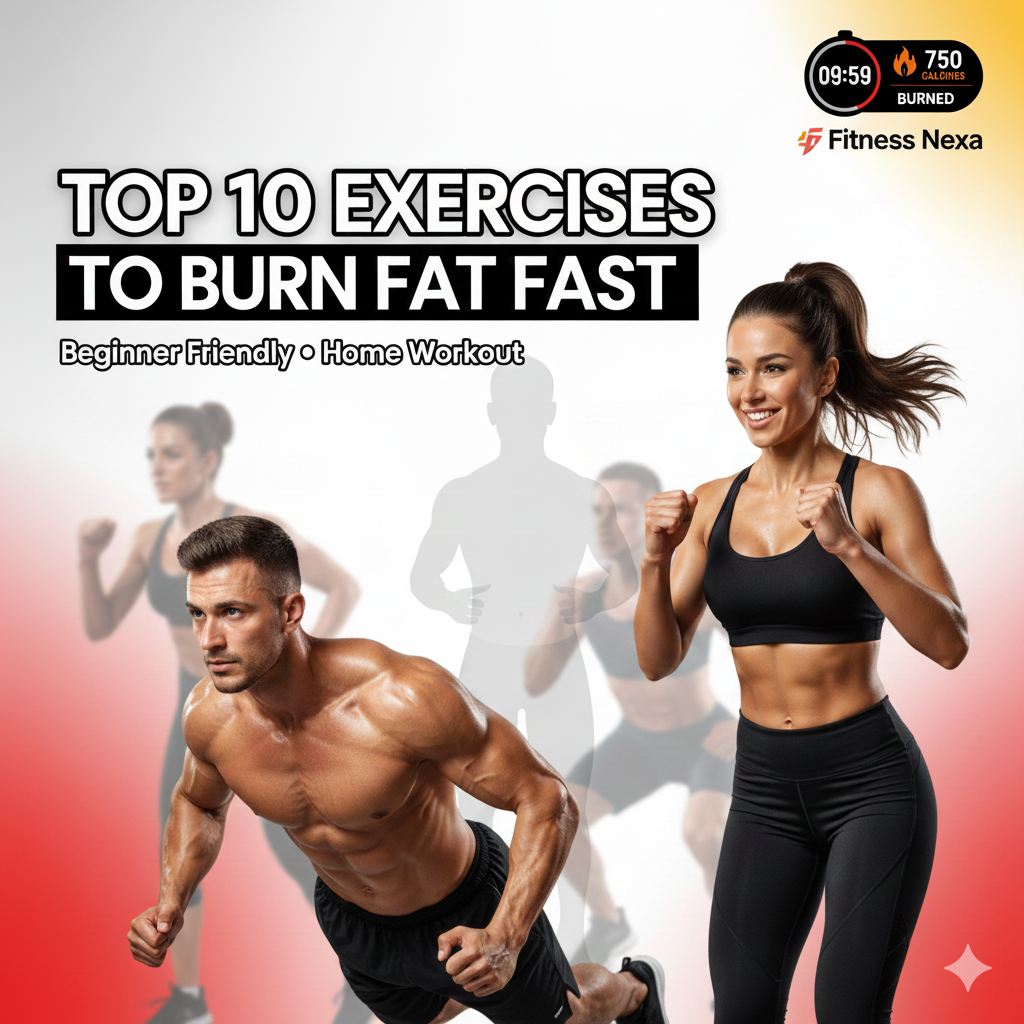
    Top 10 Exercises to Burn Fat Faster in 10 Minutes

    Burning fat does not require extreme workouts or expensive gym equipment. With the right exercises and consistency, beginners can reduce body fat safely and effectively. In this Fitness Nexa guide, we explain the top 10 exercises to burn fat fast using practical and science-backed fitness principles.

    Image 7d156a7b E2af 430b 9b95 1986d5f10a64 1

    Table of Contents

    How Fat Loss Works

    How Fat Loss Works WorksFat loss happens when your body burns more calories than it consumes. Therefore, exercises that increase heart rate and activate multiple muscle groups are more effective. Moreover, regular movement improves metabolism and insulin sensitivity over time.Important Rules for BeginnersWarm up for at least 5–10 minutesFocus on correct form rather than speedRest properly between exercisesStay hydrated throughout the workoutCombine exercise with a balanced dietTop 10 Exercises to Burn Fat Fast1. Jumping JacksJumping jacks are a simple cardio exercise that increases heart

    Fat loss happens when your body burns more calories than it consumes. Therefore, exercises that increase heart rate and activate multiple muscle groups are more effective. Moreover, regular movement improves metabolism and insulin sensitivity over time.

    Important Rules for Beginners

    • Warm up for at least 5–10 minutes
    • Focus on correct form rather than speed
    • Rest properly between exercises
    • Stay hydrated throughout the workout
    • Combine exercise with a balanced diet

    Top 10 Exercises to Burn Fat Fast

    1. Jumping Jacks

    Jumping jacks are a simple cardio exercise that increases heart rate quickly. As a result, calorie burn improves even in beginners.

    2. Bodyweight Squats

    Squats activate large lower-body muscles. Consequently, they burn more calories and support long-term fat loss.

    3. Push-Ups

    Push-ups work the chest, arms, shoulders, and core together. Additionally, they improve upper-body strength.

    4. High Knees

    High knees are a fast-paced cardio movement that boosts endurance and engages the core muscles.

    5. Mountain Climbers

    This dynamic exercise combines cardio with core activation, making it effective for fat burning.

    6. Plank

    Planks strengthen deep core muscles. Over time, they help improve posture and core stability.

    7. Lunges

    Lunges target the legs and glutes while improving balance and coordination.

    8. Burpees

    Burpees are high-intensity and burn a large number of calories in a short time. However, beginners should start slowly.

    9. Skipping Rope

    Skipping rope improves cardiovascular fitness and helps burn fat efficiently.

    10. Brisk Walking

    Brisk walking is low-impact yet highly effective. Therefore, it is ideal for beginners and overweight individuals.

    Step-by-Step Beginner Workout Plan

    • Warm-up – 5 minutes
    • Jumping Jacks – 30 reps
    • Squats – 15 reps
    • Push-Ups – 10 reps
    • High Knees – 30 seconds
    • Mountain Climbers – 20 reps
    • Plank – 30 seconds
    • Cool-down – 5 minutes

    Exercise Comparison Table

    ExerciseIntensityFat BurnBeginner Friendly
    Jumping JacksMediumModerateYes
    BurpeesHighVery HighLimited
    Brisk WalkingLowModerateYes

    Pros & Cons

    • Pros: No equipment required, improves metabolism, supports heart health
    • Cons: Results take time, poor form may cause injury

    Myth vs Fact

    • Myth: One exercise can reduce belly fat
    • Fact: Fat loss happens throughout the body
    • Myth: Sweating equals fat loss
    • Fact: Calorie deficit matters most

    FAQs

    How long does it take to burn fat?

    Most beginners notice changes within 4–6 weeks with consistency.

    Are these exercises safe for beginners?

    Yes, all exercises are beginner-friendly when performed with proper form.

    Is diet necessary for fat loss?

    Yes, diet plays a major role along with regular exercise.

    Call To Action: Start today with simple exercises and stay consistent. Follow Fitness Nexa for more evidence-based fitness guides.

  • Uncategorized

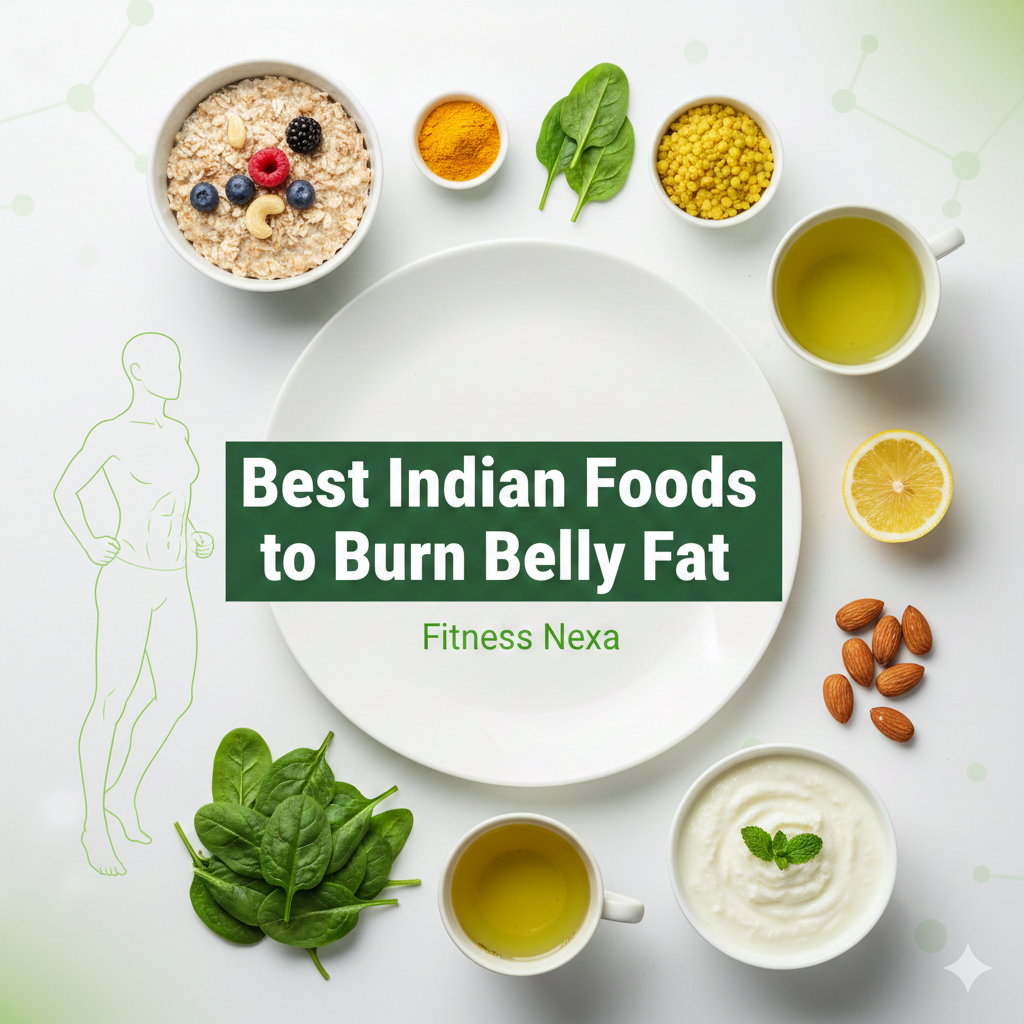
    Best Indian Foods to Burn Belly Fat Fast | Science-Backed Fat Loss Guide

    Best Indian Foods to Burn Belly Fat

    Belly fat isn’t just about appearance—it can affect your health, energy, and confidence. But the good news? You can fight it naturally with the right foods. In this article, Fitness Nexa brings you a science-backed list of Indian foods that help burn belly fat, boost metabolism, and support your fitness goals. Whether you’re an intermediate fitness enthusiast or just aiming to trim down, these foods are practical, accessible, and effective.

    Table of Contents

    1765564219805 2

    Why Belly Fat Is Harmful

    Visceral fat—the fat around your organs—is linked to diabetes, heart disease, and hormonal imbalances. Reducing it is not just cosmetic; it’s a health priority. Using whole, natural foods can accelerate fat loss safely without crash diets.

    How Indian Foods Help in Fat Loss

    • Boosting metabolism: Spices like turmeric and cinnamon increase thermogenesis.
    • Reducing appetite: Fiber-rich foods keep you full longer.
    • Balancing blood sugar: Whole grains and pulses prevent insulin spikes.
    • Promoting gut health: Fermented foods like dahi enhance digestion.

    Top Indian Foods to Burn Belly Fat

    1. Oats

    Why it works: High in soluble fiber, reduces belly fat and lowers cholesterol.
    How to consume: Oat porridge with nuts and fruits for breakfast.
    Data-backed: Studies show oats improve satiety and reduce calorie intake.

    2. Moong Dal (Green Gram)

    Why it works: Rich in protein, fiber, and low glycemic index.
    Tip: Use sprouts or dal in soups; helps in fat loss while keeping muscles strong.

    3. Greek Yogurt / Dahi

    Why it works: Probiotics improve gut health, reduce inflammation, and promote fat metabolism.
    Tip: Choose unsweetened dahi; add berries or a pinch of cinnamon.

    4. Leafy Greens

    Examples: Spinach, fenugreek (methi), coriander leaves.
    Why it works: Low-calorie, high in fiber, antioxidants, and micronutrients.
    Tip: Include in smoothies, curries, or salads daily.

    5. Spices

    • Turmeric: Curcumin boosts fat metabolism.
    • Cinnamon: Regulates blood sugar and reduces fat storage.
    • Black Pepper: Enhances nutrient absorption and metabolism.

    6. Nuts: Almonds & Walnuts

    Why it works: Healthy fats curb hunger, prevent overeating.
    Tip: Consume 5–10 nuts as a snack; avoid excess calories.

    7. Green Tea & Herbal Infusions

    Why it works: EGCG in green tea increases fat oxidation.
    Tip: Drink 2–3 cups daily, especially before workouts.

    8. Coconut & Coconut Oil (Moderate Use)

    Why it works: Medium-chain triglycerides (MCTs) burn faster than other fats.
    Tip: Replace some cooking oil with coconut oil, but keep portions small.

    9. Citrus Fruits: Lemon & Orange

    Why it works: Vitamin C supports fat metabolism and detoxification.
    Tip: Start your day with warm water + lemon; include oranges as a snack.

    10. Indian Whole Grains

    Examples: Brown rice, foxtail millet, ragi, bajra.
    Why it works: Low glycemic index keeps insulin steady and reduces belly fat.
    Tip: Swap refined grains with these for long-term results.

    Meal Plan Tips

    • Breakfast: Oats porridge + nuts + green tea
    • Lunch: Moong dal + brown rice + sautéed greens
    • Snack: Greek yogurt + fruit
    • Dinner: Grilled fish/chicken + millet + salad with lemon

    Pro Tip: Drink 2–3 liters of water daily; hydration helps in fat metabolism.

    Common Myths vs Facts

    MythFact
    Eating fat increases belly fatHealthy fats in moderation aid fat loss
    Skipping meals helps burn fatSkipping slows metabolism and increases cravings
    Only exercise can reduce belly fatDiet contributes 70% to fat loss; exercise complements it

    Pros & Cons of Indian Fat-Burning Foods

    Pros:

    • Natural and accessible
    • Rich in fiber, protein, and antioxidants
    • Supports overall health, not just fat loss

    Cons:

    • Requires consistency
    • Portion control is essential
    • Some foods may trigger allergies (nuts, dairy)

    Conclusion

    Burning belly fat doesn’t require extreme diets or fancy supplements. Incorporating Indian foods like oats, dal, leafy greens, and spices can naturally reduce fat, boost metabolism, and improve overall health. Pair these with regular workouts, proper sleep, and hydration for maximum results. Fitness Nexa emphasizes consistency, science-backed choices, and a sustainable lifestyle for lasting fat loss.

    FAQs

    Can I lose belly fat by eating only Indian foods?

    Yes, if you choose whole, nutrient-dense foods and maintain a calorie deficit.

    Are spices really effective for fat loss?

    Yes, spices like turmeric, cinnamon, and black pepper increase thermogenesis and aid metabolism.

    How much nuts should I eat daily?

    5–10 nuts daily are enough for healthy fats without excess calories.

    Can I include dairy if I am lactose intolerant?

    Opt for lactose-free dahi or Greek yogurt; plant-based alternatives also work.

    How long will it take to see results?

    Consistent diet + exercise typically shows visible results in 4–8 weeks, depending on your body type and activity level.

    Call to Action: Start adding these Indian fat-burning foods to your meals today and see the transformation! Join Fitness Nexa for more science-backed fitness tips and meal plans.