Uncategorized

  • Uncategorized

    5 Beginner Fat Loss Mistakes That Are Stopping Your Progress (From My Real Experience)

    5 Beginner Mistakes That Stop Fat Loss (From My Real Experience)


    Introduction – Let’s Talk Honestly

    Honestly, when I started my fitness journey, I thought fat loss was simple — workout hard, eat less, and results will come.

    I joined the gym, followed random workouts, tried cutting food, and yes, initially weight went down. But after some time, everything got stuck.

    Same effort. Same routine. Zero progress.

    That’s when I realised something important — fat loss doesn’t stop because you’re not working hard enough. It stops because of small beginner mistakes we repeat daily without noticing.

    If you’re also thinking, “I’m doing everything, still fat loss isn’t happening”, then this blog is for you.

    Below are 5 beginner mistakes that stop fat loss, based purely on my personal experience and real observations.


    Mistake #1: Focusing Only on Workout and Ignoring Lifestyle

    This is the most common mistake beginners make.

    Most people think one hour of workout is enough. I used to think the same.

    But fat loss is not decided only in that one hour. The remaining 23 hours of your day matter more.

    In my case:

    • Workout was done ✔️
    • Rest of the day — sitting, no movement
    • Hardly 5–6k steps
    • Late-night scrolling

    Result? Fat loss slowed down.

    Daily movement, walking, basic activity — all this plays a big role. You don’t need extreme cardio, but you do need an active lifestyle.

    Simple fix: Walk more, stay active, don’t sit for long hours.

    Image

    Mistake #2: Eating Too Little (Crash Diet Mode)

    This mistake looks smart but backfires badly.

    I used to believe that eating very less will speed up fat loss.

    What actually happened:

    • Low energy
    • Poor workouts
    • Mood swings
    • Fat loss stuck

    Your body is not stupid. When you eat too little, it goes into survival mode and tries to save fat.

    Fat loss doesn’t mean starving yourself.

    Simple fix: Eat slightly less than maintenance, focus on protein, fiber, and consistency.


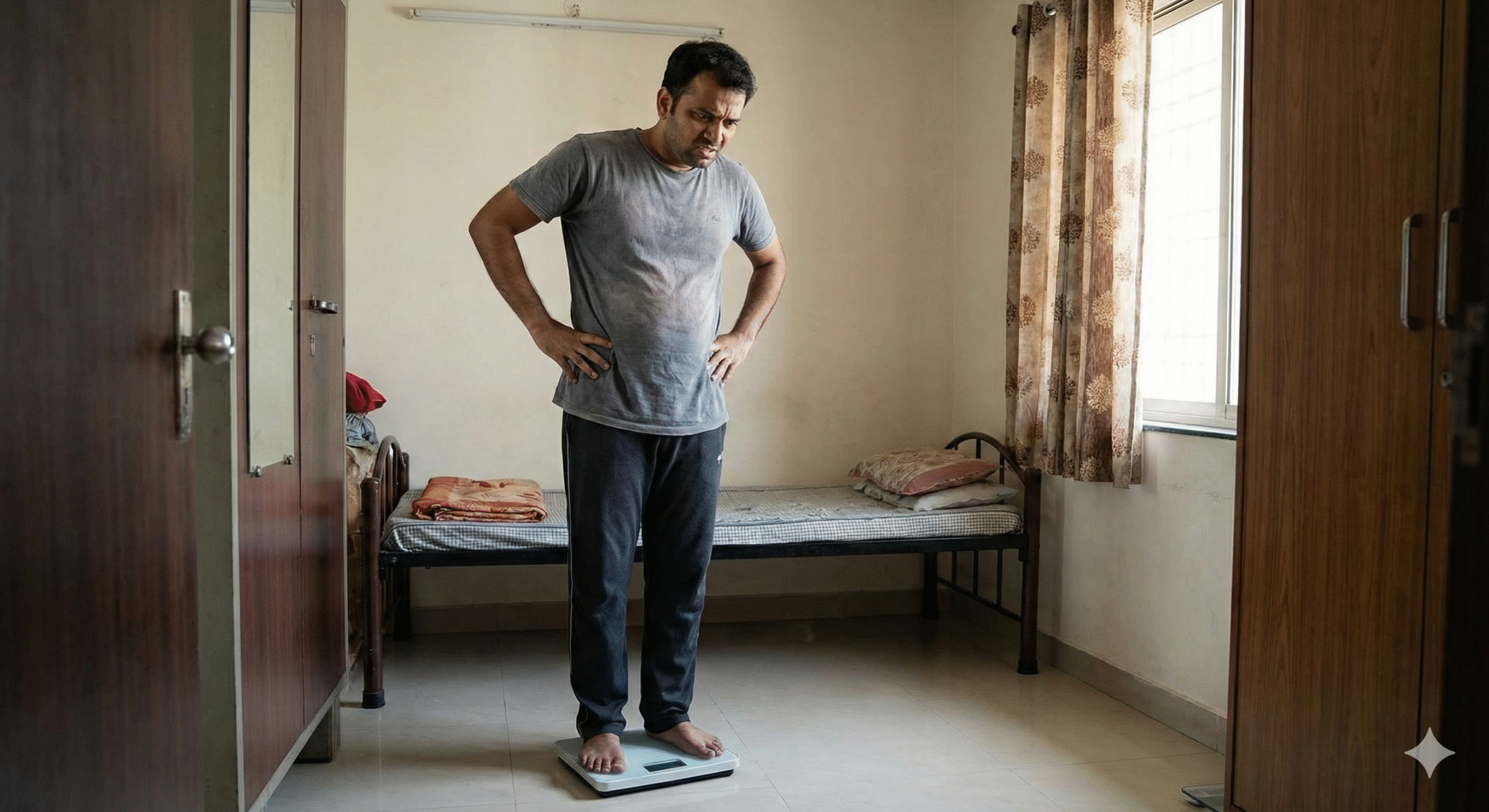
    Mistake #3: Obsessing Over the Weighing Scale

    This mistake affects motivation the most.

    You check the scale daily and see no change. Instantly, you feel demotivated.

    But here’s the truth I learned the hard way — fat loss doesn’t always show on the scale.

    You might be:

    • Losing inches
    • Looking leaner
    • Getting stronger
    • Fitting into old clothes

    At one point, I stopped checking weight and started tracking waist measurements and photos.

    Simple fix: Track progress beyond the scale.

    Image 1

    Mistake #4: Changing Workouts Too Frequently

    Social media has ruined patience.

    Beginners often jump from one workout to another:

    • Today HIIT
    • Tomorrow yoga
    • Next day abs challenge

    I did this too, thinking variety equals faster results.

    But the body needs time to adapt. Without consistency, there’s no real progress.

    Fat loss can feel boring — and that’s normal.

    Simple fix: Stick to one routine for at least 4–6 weeks.


    Mistake #5: Ignoring Sleep and Stress

    This is an underrated fat loss killer.

    I had phases where workout and diet were on point, but sleep was only 5–6 hours.

    Result? Slow fat loss.

    Poor sleep increases cravings, affects recovery, and messes with hunger hormones.

    Fat loss is not just gym work. Recovery is part of the process.

    Simple fix: Prioritise sleep and manage stress.

    Image 3

    Frequently Asked Questions (FAQs)

    1. How long does fat loss take for beginners?

    From my experience, fat loss is gradual. Expect visible changes in 6–8 weeks if you stay consistent.

    2. Is home workout enough for fat loss?

    Yes. Fat loss depends more on consistency, movement, and diet than gym equipment.

    3. Should beginners do cardio daily?

    Not necessary. Walking plus basic strength training works well.

    4. Why does fat loss stop suddenly?

    Usually because of lifestyle issues, stress, poor sleep, or eating too little.


    Conclusion – Keep It Simple

    Fat loss is not about perfection.

    It’s about doing basic things consistently and avoiding common mistakes.

    Don’t rush. Don’t starve. Don’t compare.

    Just stay honest with yourself and trust the process.


    Soft CTA

    If you want to understand health and fitness in a simple, pressure-free way, you can visit FitnessNexa.com.


    Author Bio

    I’m someone who has spent years learning fitness through real-life mistakes, trial and error, and practical experience. I believe in simple, sustainable health habits rather than extreme fitness trends.


    Disclaimer

    This content is for educational and informational purposes only. It is not intended as medical advice and should not replace guidance from a qualified healthcare professional.
  • Uncategorized

    Why the Scale Doesn’t Reflect Real Fat Loss Progress

    Image 2 1024x683


    Why the Scale Can Lie During Fat Loss

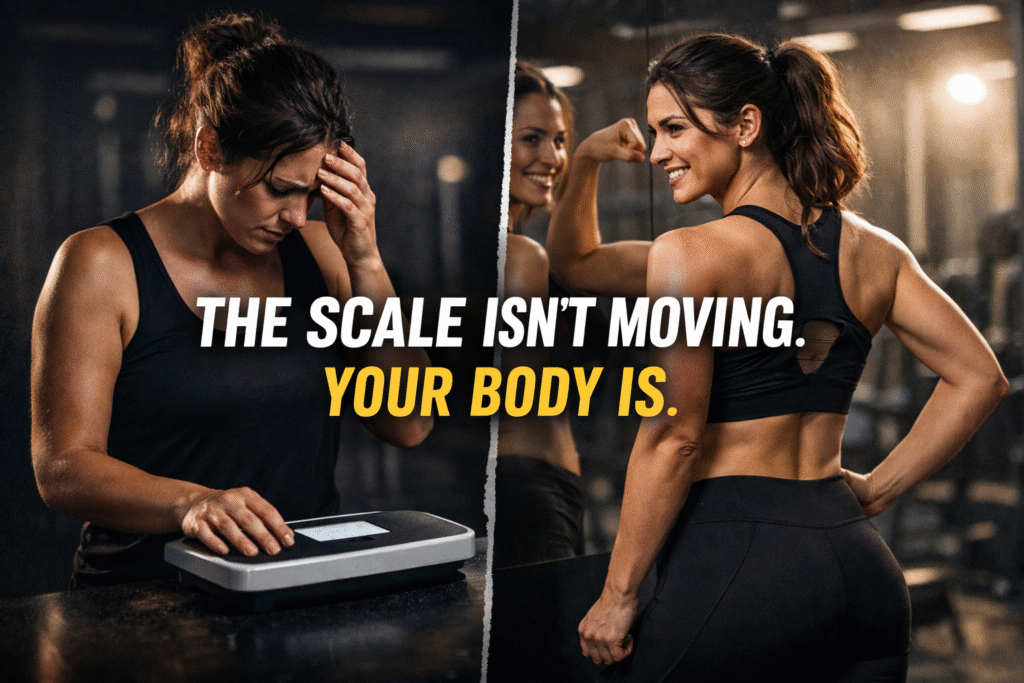
    Few things are more frustrating than stepping on the scale after weeks of discipline and seeing no change. You’ve followed the plan, controlled your food, stayed consistent with workouts, and genuinely tried to do things the right way.

    Calories are tracked. Workouts are done. Habits are cleaner than ever. You’re sleeping better, drinking more water, and saying no to things you once didn’t think twice about.

    And yet, the number on the scale stays exactly the same.

    This is usually the moment doubt starts creeping in. You begin questioning your effort, your plan, and sometimes even yourself.

    Most people take this as proof that nothing is working.

    But in many cases, the opposite is true.

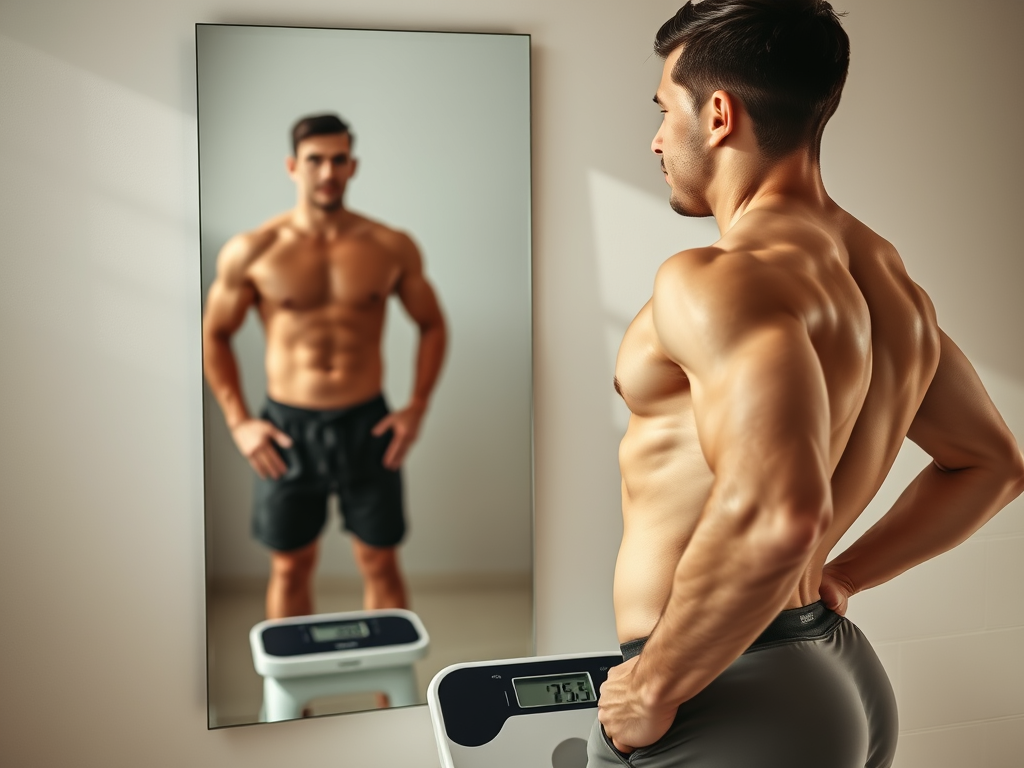
    The scale isn’t showing the full picture — it’s simply measuring the wrong thing.

    Fat Loss and Weight Loss Are Not the Same

    One of the biggest misunderstandings in fitness is assuming fat loss and weight loss are the same thing. They’re related, but they’re not identical.

    The scale only shows total body weight. That number includes fat, muscle, water, food weight, and everything else inside your body.

    What it does not show is fat loss, muscle gain, water shifts, hormonal changes, or internal recovery happening beneath the surface.

    When your body starts holding more muscle, repairing damaged tissue, or managing stress better, weight can stall even while fat is being lost. This is especially common once you move past the beginner phase.

    This is where many people quit — not because progress stopped, but because progress stopped showing up in the one place they were obsessively checking.

    Body Recomposition Happens Quietly

    One of the most overlooked phases in fitness is body recomposition. It doesn’t come with dramatic scale drops or instant validation, but it’s one of the healthiest phases your body can go through.

    This is when your body starts prioritizing quality over speed.

    This is when:

    • Fat slowly decreases
    • Muscle mass increases
    • Weight stays nearly the same
    • Clothes start fitting better
    • Strength improves in the gym
    • Posture feels more upright
    • Energy levels stay stable through the day

    From the outside, nothing seems to be happening. But internally, your body is becoming stronger, more efficient, and more resilient.

    The scale stays silent.

    Progress is happening — just not loudly.

    Water Retention Can Mask Real Progress

    Another reason the scale lies is water retention. Hard training, increased protein intake, better recovery, and even better sleep can all lead to temporary water retention.

    Muscles store glycogen for energy. Glycogen binds with water. The harder you train, the more glycogen your muscles store.

    This added water weight can easily hide fat loss for days or even weeks, making it look like nothing is changing.

    Then suddenly, one morning, the scale drops. Not because fat loss started that day, but because the water finally released and revealed the progress that was already there.

    Why Obsessing Over the Scale Slows Progress

    Daily weigh-ins often create emotional stress, especially when expectations are high. One stagnant number can ruin your mood for the entire day.

    Stress increases cortisol.

    Cortisol signals the body to protect itself. And one of the easiest ways the body protects itself is by holding on to weight.

    Ironically, stressing about the scale can slow the very progress you’re trying to force. More pressure does not equal better results.

    The body responds far better to consistency, patience, and calm routines than to anxiety and control.

    Better Ways to Measure Progress

    If the scale isn’t moving, that doesn’t mean you should stop tracking progress. It just means you should look in the right places.

    If the scale isn’t moving, look elsewhere:

    • How do your clothes fit compared to last month?
    • Are workouts feeling stronger or more controlled?
    • Is recovery faster than before?
    • Do you feel more energetic during the day?
    • Are measurements slowly changing?

    These signs reflect real, sustainable progress. They matter far more than a single number that fluctuates daily.

    Trust the Process, Not Just the Number

    Fat loss is not a performance. It’s not something you force or rush.

    It’s a biological adaptation that happens when the body feels safe, nourished, and consistently challenged.

    The body changes in layers — some visible, some silent. Just because you can’t see the change yet doesn’t mean it isn’t happening.

    When you stay consistent during the quiet phases, the visible results eventually follow.

    Final Thoughts

    If the scale isn’t moving, it doesn’t mean nothing is happening. Often, it means your body is doing exactly what it’s supposed to do.

    It means your body is changing in smarter, more sustainable ways — ways that last longer than quick drops and quick rebounds.

    The scale measures weight.
    Your habits measure success.

    Stay consistent. Trust the process. The mirror will catch up.

  • Uncategorized

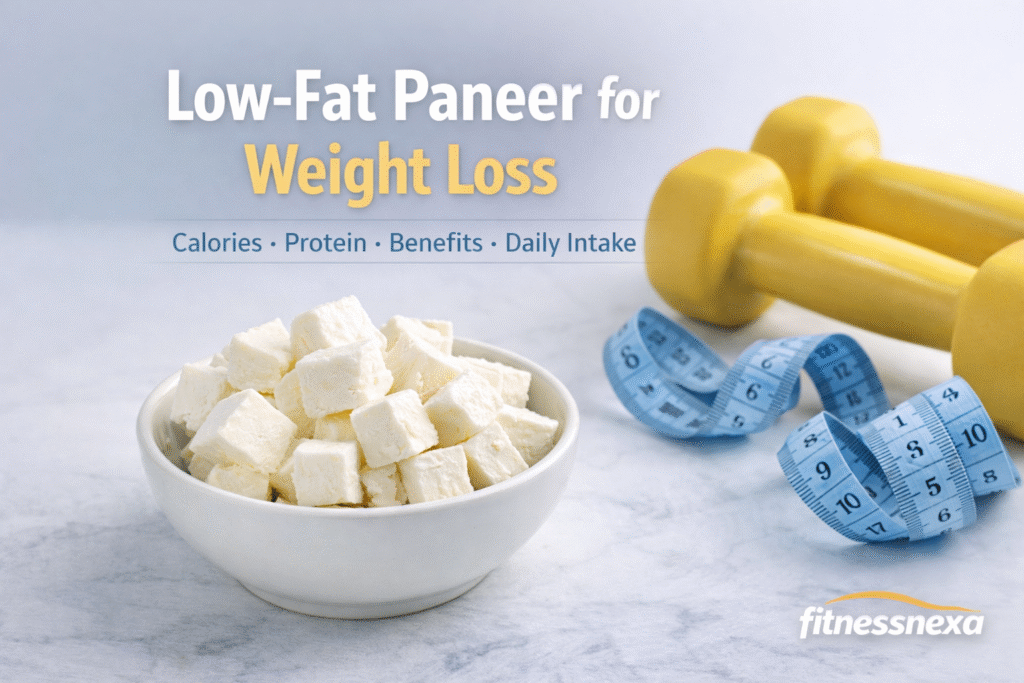
    Low-Fat Paneer for Weight Loss: Calories, Protein, Benefits & Daily Intake Guide

    Low-Fat Paneer for Weight Loss: Calories, Protein, Benefits & Daily Intake Guide

    Image 1 1024x683

    Paneer is one of the most popular protein sources in the Indian diet, especially for vegetarians. However, traditional paneer made from full cream milk is high in fat and calories, which often makes people avoid it during weight loss.

    This is where low-fat paneer becomes relevant. Low-fat paneer provides the benefits of protein and calcium with significantly fewer calories and less fat. In this article, we will explore whether low-fat paneer is good for weight loss, how much you should eat daily, and how to include it correctly in your diet.


    What Is Low-Fat Paneer?

    Low-fat paneer is a dairy product made using toned or double toned milk instead of full cream milk. Because the fat content of the milk is lower, the final paneer contains less fat and fewer calories while retaining most of its protein.

    Compared to regular paneer, low-fat paneer:

    • Contains significantly less fat
    • Has lower calorie density
    • Provides a high amount of protein
    • Is easier to fit into a calorie-deficit diet

    This makes it an excellent option for people who want the nutritional benefits of paneer without compromising their weight loss goals.


    Low-Fat Paneer Nutritional Value (Per 100 g)

    Understanding nutrition is not just about numbers but about how those numbers impact your body.

    • Calories: 140–170 kcal
    • Protein: 18–20 g
    • Fat: 5–7 g
    • Carbohydrates: Very low
    • Calcium: Moderate amount

    In comparison, regular paneer can contain 260–300 calories per 100 g, with fat content as high as 20–25 g. This calorie difference alone makes low-fat paneer a smarter choice for weight management.


    Why Protein Matters for Weight Loss

    Protein plays a critical role in weight loss, not because it burns fat directly, but because it influences how your body behaves during a calorie deficit.

    Here is how protein from low-fat paneer helps:

    • Increases satiety: Protein keeps you full for longer, reducing unnecessary snacking.
    • Preserves muscle mass: During weight loss, adequate protein prevents muscle loss.
    • Improves metabolic efficiency: The body uses more energy to digest protein compared to fats and carbs.

    This makes low-fat paneer especially useful for people trying to lose fat while maintaining strength and muscle tone.


    Is Low-Fat Paneer Good for Weight Loss?

    Yes, low-fat paneer can be very effective for weight loss when consumed in the right quantity and as part of a balanced diet.

    It works best because:

    • It provides high protein with controlled calories
    • It reduces hunger between meals
    • It supports muscle retention
    • It fits well into vegetarian diets

    However, portion size matters. Even low-fat paneer can slow down fat loss if consumed in excess.


    How Much Low-Fat Paneer Should You Eat Daily?

    The ideal amount of low-fat paneer depends on your lifestyle and activity level.

    General Guidelines

    • Sedentary lifestyle: 80–100 g per day
    • Moderately active: 100–150 g per day
    • Active or strength training: 150–200 g per day

    Consuming more than this regularly may increase calorie intake beyond your requirement, slowing down weight loss.


    Best Time to Eat Low-Fat Paneer

    Lunch

    Paneer at lunch helps maintain satiety and prevents overeating later in the day.

    Post-Workout

    After exercise, low-fat paneer supports muscle recovery due to its high protein content.

    Dinner (Limited Quantity)

    Paneer can be eaten at dinner in controlled portions, preferably with vegetables. Avoid heavy cooking methods.


    Milk vs Curd vs Paneer for Weight Loss

    All three dairy products have their place in a weight loss diet, but they serve different purposes.

    • Milk: Light, hydrating, suitable for daily consumption
    • Curd: Supports gut health and digestion
    • Paneer: High protein, best for satiety and muscle preservation

    Low-fat paneer is ideal when protein needs are higher and calorie control is important.


    Common Mistakes People Make with Paneer

    • Eating large quantities
  • Uncategorized

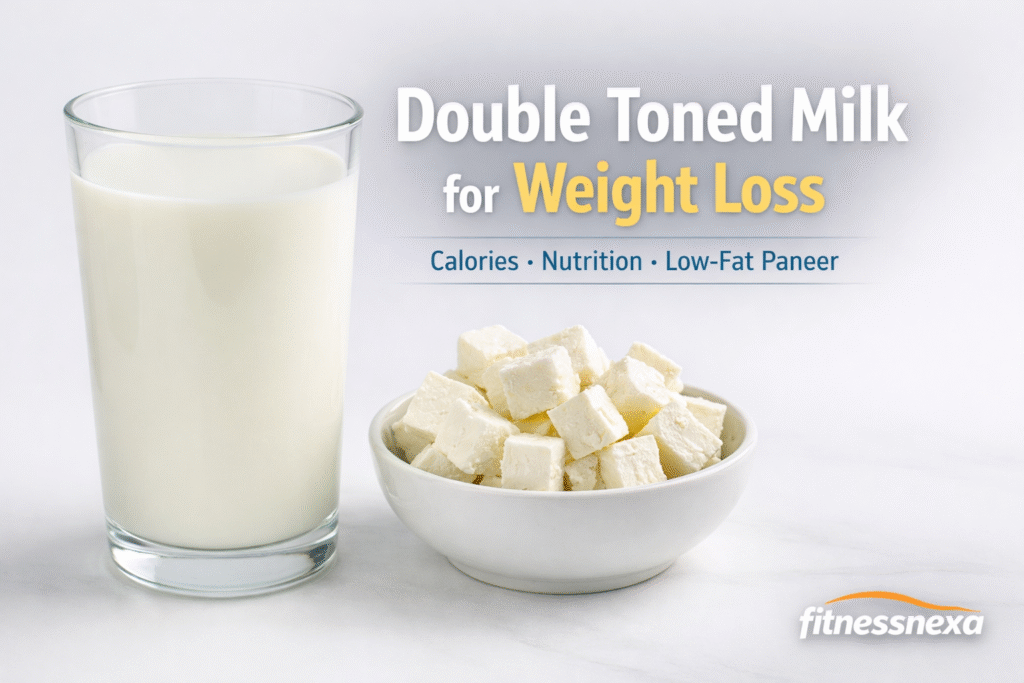
    Double Toned Milk for Weight Loss: Calories, Nutrition & Low-Fat Paneer Benefits

    Double Toned Milk for Weight Loss: Calories, Nutrition, Benefits & Low-Fat Paneer Explained

    Image 1024x683

    Milk has always been an essential part of the Indian diet. From morning tea to bedtime milk, it is consumed daily in most households. However, when it comes to weight loss, milk often becomes a confusing topic. Many people believe milk causes weight gain, while others consider it an important source of nutrition.

    Among various milk options available today, double toned milk has gained popularity, especially among people trying to manage their weight. This blog explains what double toned milk is, its calories and nutritional value, whether it is good for weight loss, and how it can be used to make low-fat paneer. We will also help you understand nutrition in a simple and practical way.


    What Is Double Toned Milk?

    Double toned milk is a type of milk that contains very low fat while maintaining essential nutrients like protein and calcium. It is produced by reducing the fat content of milk and adjusting its solid-not-fat (SNF) levels using skim milk powder.

    Typically, double toned milk contains:

    • Fat content of approximately 1.5%
    • Lighter taste compared to full cream milk
    • Lower calorie count

    This type of milk is commonly recommended for individuals who want to control fat intake without completely eliminating milk from their diet.


    Double Toned Milk Nutritional Value (Simply Explained)

    Understanding nutrition is not just about reading numbers. It is about knowing how each nutrient affects your body.

    Nutritional Value per 100 ml (Approximate)

    • Calories: 45–50 kcal
    • Protein: 3–3.4 g
    • Carbohydrates (Lactose): ~5 g
    • Fat: ~1.5 g
    • Calcium: ~120 mg
    • Vitamin B12 & Riboflavin: Present in small amounts

    What Do These Nutrients Mean?

    Protein: Protein helps in muscle maintenance and keeps you full for longer. This is especially important during weight loss to prevent muscle loss.

    Low Fat: Less fat means fewer calories. This helps in managing daily calorie intake without compromising nutrition.

    Lactose: Lactose is a natural sugar found in milk. Unlike refined sugar, it provides slow and steady energy.

    Calcium: Calcium supports bone health and plays a role in fat metabolism, which indirectly supports weight management.


    Double Toned Milk Calories Breakdown

    Calories play a key role in weight loss. Knowing how many calories you consume helps in maintaining a calorie deficit.

    • 100 ml double toned milk: 45–50 calories
    • 1 glass (200 ml): 90–100 calories

    Comparison with other milk types:

    • Full cream milk (100 ml): 60–70 calories
    • Toned milk (100 ml): ~55 calories

    This makes double toned milk one of the lowest-calorie milk options available for daily consumption.


    Is Double Toned Milk Good for Weight Loss?

    Yes, double toned milk can support weight loss when consumed in the right quantity and as part of a balanced diet.

    Here is why:

    • Low fat content helps reduce total calorie intake
    • Provides protein to support muscle mass
    • Easy to digest compared to heavy dairy products
    • Can be included daily without excessive calorie load

    However, it is important to understand that no single food causes weight loss. Double toned milk is a supportive food, not a miracle solution.


    Best Time to Drink Double Toned Milk

    Morning

    Drinking milk in the morning provides protein and calcium to start the day. It can also reduce unnecessary snacking.

    Post-Workout

    After exercise, milk helps in muscle recovery due to its protein content. It is a natural and affordable recovery drink.

    Night

    At night, milk can be consumed in small quantities (150–200 ml). Avoid adding sugar to keep calories low.


    Can We Make Low-Fat Paneer from Double Toned Milk?

    Yes, double toned milk can be used to make low-fat paneer. This is especially useful for people following a weight loss or fitness-focused diet.

    Important points to note:

    • Paneer quantity will be lower compared to full cream milk
    • Texture may be softer and slightly crumbly
    • Fat content remains significantly lower
    • Protein content is still good

    Low-fat paneer made from double toned milk is a healthier alternative for regular paneer lovers.


    Low-Fat Paneer Nutrition (From Double Toned Milk)

    Approximate Nutrition per 100 g

    • Calories: 140–170 kcal
    • Protein: 18–20 g
    • Fat: 5–7 g
    • Carbohydrates: Very low

    Compared to full-fat paneer (260–300 calories per 100 g), low-fat paneer is clearly a better option for weight management.


    Understanding Nutrition: Milk vs Paneer

    Milk and paneer are nutritionally related but serve different purposes.

    • Milk: Contains water, protein, fat, and carbohydrates
    • Paneer: Concentrated form of milk protein and fat

    Milk is lighter and suitable for daily intake, while paneer is heavier and should be consumed in controlled portions.


    Double Toned Milk vs Paneer – Which Is Better for Weight Loss?

    The answer depends on your dietary needs:

    • For hydration and light nutrition: Double toned milk
    • For higher protein and satiety: Low-fat paneer

    The best approach is to include both in moderation based on your daily calorie and protein requirements.


    Is Double Toned Milk Safe for Diabetes?

    Double toned milk is generally safe for people with diabetes when consumed in moderation. It contains natural lactose and very little fat.

    However, portion control is important. Always consult a healthcare professional for personalized advice.


    Common Myths About Double Toned Milk

    Myth: Double toned milk has no nutrition.
    Fact: It still contains protein, calcium, and essential vitamins.

    Myth: Milk should be avoided completely during weight loss.
    Fact: The right type and quantity of milk can support weight loss.


    Frequently Asked Questions

    Can I drink double toned milk daily?
    Yes, daily consumption in limited quantity is safe.

    Is low-fat paneer good for weight loss?
    Yes, it provides high protein with controlled fat.

    How much double toned milk is ideal for weight loss?
    Around 150–300 ml per day depending on your diet.


    Final Verdict

    Double toned milk is a smart and practical choice for people aiming for weight loss while maintaining proper nutrition. It provides essential nutrients with minimal fat and can also be used to prepare low-fat paneer.

    When consumed as part of a balanced diet and healthy lifestyle, double toned milk can support sustainable and long-term weight management.

  • Uncategorized

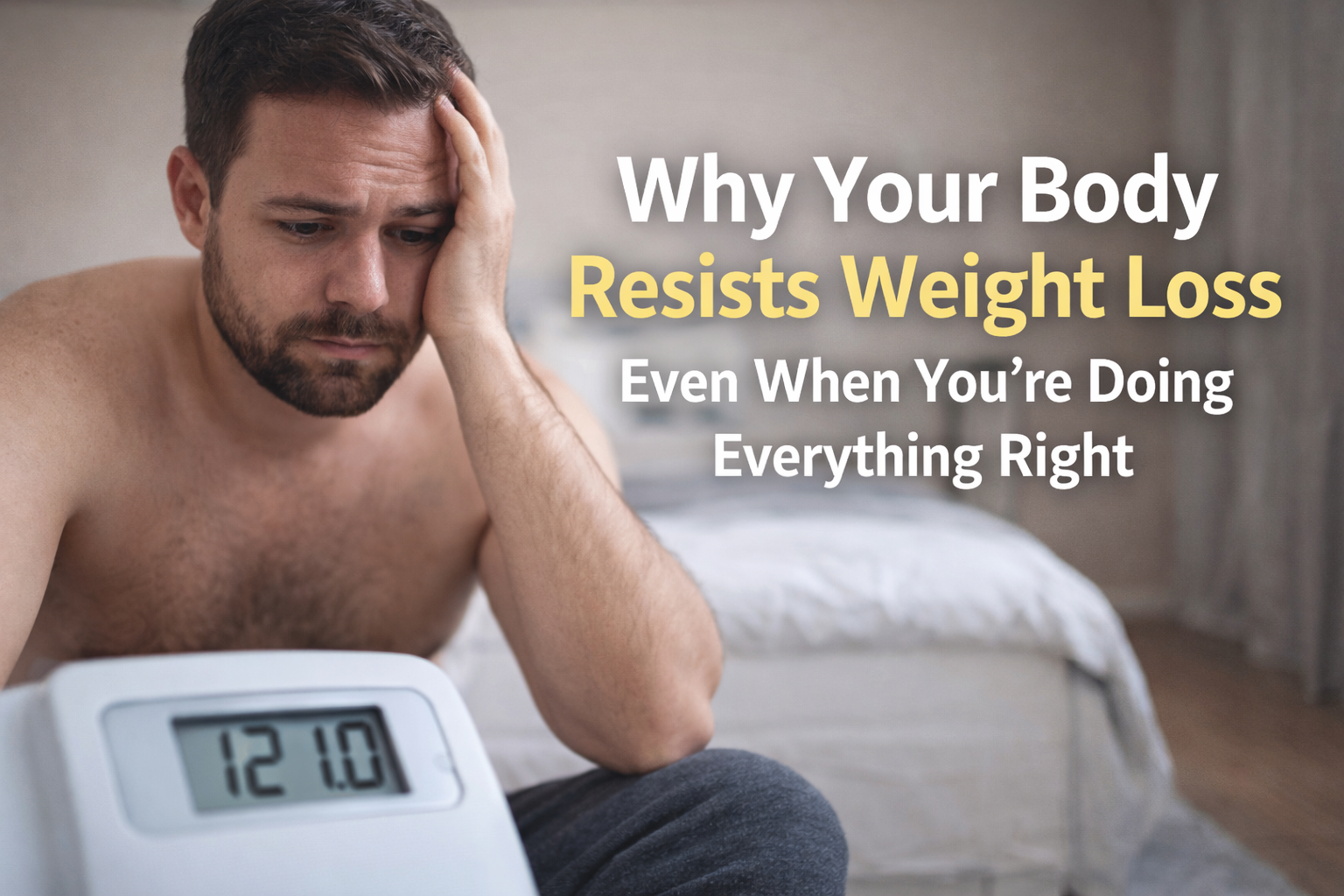
    Why Your Body Resists Weight Loss Even When You’re Doing Everything Right

    Why Your Body Resists Weight Loss Even When You’re Doing Everything Right

    There is a frustrating phase in almost every weight loss journey where effort stays high, but results slow down or completely stop. Calories are controlled, workouts are consistent, and habits look better than ever. Still, the scale refuses to move.

    This is the point where most people start doubting themselves. They assume they are missing something or doing something wrong. In reality, what is happening is far more common than people realize.

    I have been through this phase myself. Even after losing a significant amount of weight, there was a point where progress slowed down despite staying disciplined. That experience completely changed how I understand weight loss.


    Weight Loss Is Not Linear, Even When Effort Is

    Most people expect weight loss to move in a straight line. Eat less, move more, lose weight.

    The body does not work that way. It adapts. When changes continue for weeks or months, the body adjusts to protect itself.

    This adjustment is often mistaken for failure, when it is actually a sign that the body is responding to stress.


    When Your Body Feels Threatened, It Pushes Back

    From the body’s perspective, sudden fat loss looks like a survival problem.

    Calories are lower. Energy demand is higher. The body reacts by slowing down certain processes.

    This does not mean fat loss stops completely, but it becomes harder and slower. That resistance is biological, not mental.


    My Real Experience With Weight Loss Resistance

    At my heaviest, I was around 121 kg. When I started making changes, weight dropped steadily in the beginning.

    But after a few months, there was a phase where progress slowed down dramatically. The routine stayed the same. Food was controlled. Activity was consistent.

    Yet the scale barely moved. Some weeks showed no change at all. That phase felt more difficult than the beginning.

    What helped was understanding that this resistance was normal. Once I stopped fighting it emotionally, progress slowly resumed.


    Lower Body Weight Means Lower Energy Needs

    As body weight drops, calorie needs naturally reduce.

    A plan that worked at a higher weight may only maintain weight at a lower one. This creates the illusion of doing everything right with no results.

    The body is not broken. It has simply recalculated its needs.


    Stress Hormones Play a Bigger Role Than Most People Think

    Physical stress, mental stress, and lack of recovery all affect weight loss.

    When stress stays high, the body prioritizes stability over fat loss.

    Even with perfect food choices, constant stress can slow visible progress.


    Why Consistency Feels Less Rewarding Over Time

    Early weight loss brings visible changes quickly. Later phases bring subtle changes.

    When results become less obvious, motivation suffers. This emotional drop makes resistance feel worse.

    Progress still happens, but it requires patience instead of excitement.


    What Actually Helps When the Body Resists

    The solution is rarely doing more. It is often about adjusting expectations.

    • Allowing the body time to adapt
    • Reducing unnecessary stress
    • Making small, sustainable adjustments
    • Focusing on habits instead of scale movement

    Weight loss resumes when the body feels safe again.


    Resistance Does Not Mean You Are Failing

    This phase is part of the process, not a sign to quit.

    Most people give up exactly when their body is adjusting. Those who continue with patience eventually break through the resistance.

    Weight loss success is less about force and more about understanding how the body responds.


    Final Thoughts

    If your body is resisting weight loss, it does not mean you are doing everything wrong.

    It often means you have already done a lot right. The body is adapting.

    When effort is paired with patience, progress always returns. Just not always on the timeline we expect.

  • Uncategorized

    Why Diet Motivation Fades After the First Few Days

    1000028674 1024x683
    Why Diet Motivation Disappears After 3–4 Days (Real-Life Explanation)

    Why Diet Motivation Disappears After 3–4 Days

    Almost every diet begins with confidence. Day one feels clean and controlled. Day two feels manageable. By day three or four, something changes.

    The same plan that felt exciting suddenly feels heavy. Food choices feel restrictive. Motivation drops without any clear reason.

    Most people blame themselves at this stage. They assume they lack discipline or willpower. In reality, what is happening is far more normal than people realize.


    The First Few Days Are Driven by Emotion, Not Habit

    The early phase of a diet is powered by emotion. There is excitement, urgency, and a strong desire for change.

    This emotional push creates motivation, but it is temporary. Once the excitement settles, the diet has no support system underneath it.

    When motivation is not backed by habits, it fades quickly. This usually happens within the first few days.


    Habits Have Not Had Time to Form

    Habits take time to develop. They do not form in two or three days.

    During the first week of dieting, every decision requires effort. What to eat, how much to eat, what to avoid — nothing is automatic yet.

    When effort stays high and comfort stays low, the brain looks for relief. Motivation is often the first thing to disappear.


    Aggressive Calorie Cuts Create Resistance

    Many people start dieting by cutting calories too aggressively. Meals become smaller overnight. Favorite foods disappear suddenly.

    The body reacts to this as stress. Hunger increases. Mental fatigue builds. Cravings become stronger.

    At this point, motivation drops not because the person is weak, but because the approach is unsustainable.


    Early Weight Loss Creates Unrealistic Expectations

    In the first few days, the scale often moves quickly. This is usually water weight, not fat.

    When this rapid drop slows down, frustration appears. Progress feels invisible. Effort feels unrewarded.

    This sudden shift creates disappointment, which drains motivation faster than hunger itself.


    Food Becomes the Main Focus of the Day

    Once dieting begins, food takes center stage. Meals are planned. Calories are counted. Mistakes are overanalyzed.

    The more restrictive the diet, the more attention food receives. This mental load becomes exhausting.

    Even if calories are controlled, the constant thinking about food makes the diet feel overwhelming.


    Daily Life Pushes Back

    Real life does not pause for a diet. Work stress continues. Social plans happen. Family routines remain the same.

    When diet rules clash with real-world situations, motivation weakens.

    This is why diets that look perfect on paper often struggle in everyday life.


    Why Motivation Alone Is Not Enough

    Motivation is unreliable. It rises and falls.

    Successful diets do not depend on constant motivation. They rely on systems that work even on low-energy days.

    Smaller calorie changes, flexible food choices, and satisfying meals reduce the need for motivation.


    What Actually Helps Motivation Last Longer

    • Gradual calorie reduction instead of sudden cuts
    • Meals that feel filling, not restrictive
    • Allowing flexibility instead of strict rules
    • Focusing on consistency, not perfection

    When a diet feels livable, motivation becomes less important. Progress continues even on difficult days.


    Losing Motivation Does Not Mean Failure

    Every long-term weight loss journey includes phases of low motivation. This is normal.

    The goal is not to stay motivated forever. The goal is to build a routine that works without constant effort.

    When expectations are realistic, motivation naturally stabilizes over time.


    Final Thoughts

    Diet motivation disappears after 3–4 days because the body and mind are adjusting, not because discipline is missing.

    Motivation fades. Habits remain.

    When a diet is designed around real life, progress becomes possible even when motivation is low.

  • Uncategorized

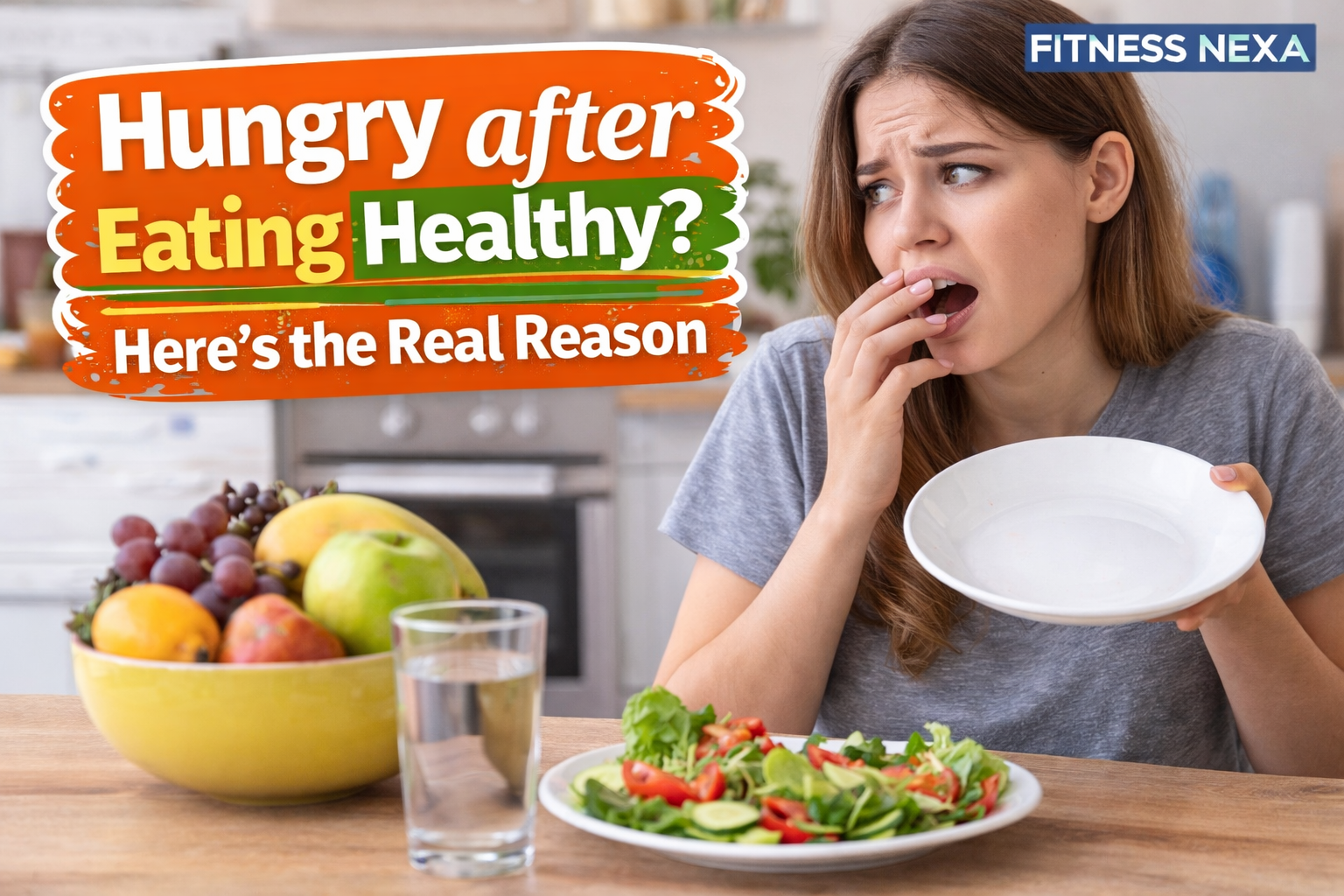
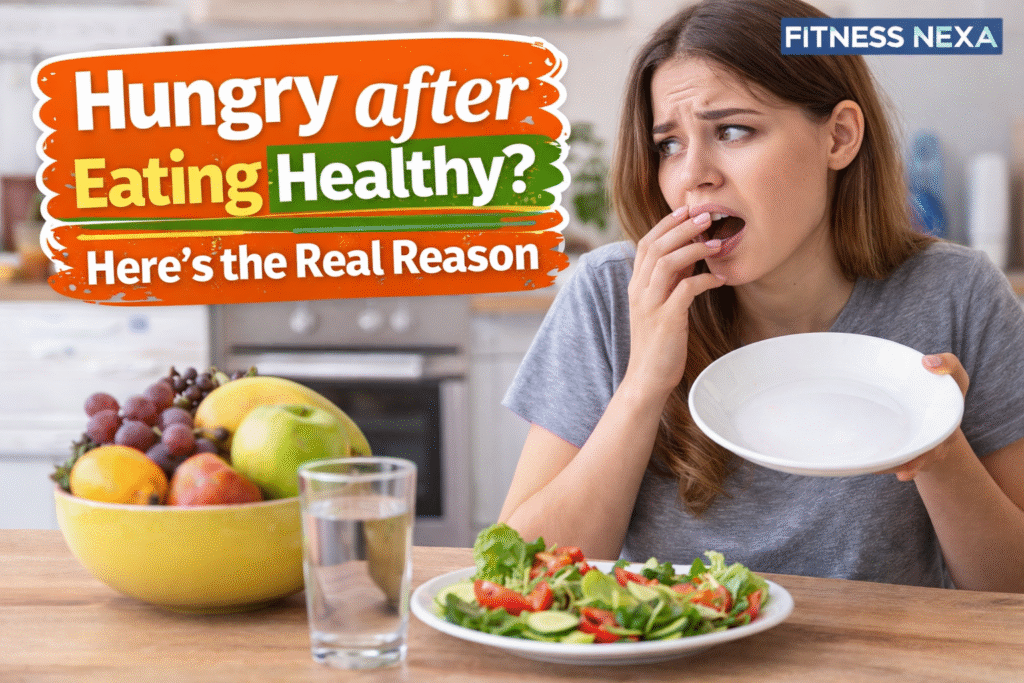
    Hungry After Eating Healthy? Here’s Why It Happens

    Hungry After Eating Healthy? Here’s the Real Reason

    Image 11 1024x683

    Eating healthy is supposed to make you feel satisfied. At least, that’s what most of us expect. So when hunger shows up again soon after a healthy meal, it feels confusing.

    You start questioning the food, the diet, or even your willpower. But in most cases, hunger after healthy eating has nothing to do with discipline.

    The real reasons are often overlooked. And once you understand them, the problem makes a lot more sense.


    Healthy Food Doesn’t Always Mean Filling Food

    Many healthy meals are built around vegetables, salads, or low-calorie options. While these foods are nutritious, they may not always be satisfying.

    If a meal is low in protein or fat, it digests quickly. As a result, hunger returns sooner than expected.

    This is why you can eat a big healthy plate and still feel hungry an hour later.


    Low Protein Is a Common Reason

    Protein plays a major role in controlling hunger. It slows digestion and helps you feel full for longer.

    When meals focus only on vegetables or carbs, protein often gets ignored. That imbalance makes hunger return quickly.

    This is not a failure of healthy eating. It’s simply incomplete nutrition.


    Healthy Foods Can Still Spike Hunger

    Some foods are considered healthy but digest very fast. Fruits, smoothies, or light snacks are good examples.

    They provide nutrients, but not always enough satiety. This can trigger hunger even when calories are not low.

    Feeling hungry after such meals is normal, not a sign that something is wrong.


    Mindful Eating Is Often Missing

    Another overlooked factor is how food is eaten. Healthy meals are often eaten quickly or without attention.

    When the brain does not register the meal properly, the body does not receive the signal that it has eaten.

    This creates a situation where the stomach is full, but hunger still feels present.


    Emotional and Habitual Hunger

    Not all hunger is physical. Sometimes it is emotional or routine-based.

    If you are used to snacking at a certain time, your body expects food, regardless of what you ate earlier.

    Healthy meals do not automatically break habits. That takes awareness and time.


    Why Cutting Calories Too Much Backfires

    Very low-calorie meals can increase hunger signals. The body sees this as a threat and responds by increasing appetite.

    This is why extreme dieting often leads to constant hunger, even when food choices are healthy.

    Balanced meals work better than aggressively low-calorie ones.


    What Actually Helps Control Hunger

    • Including enough protein in each meal
    • Adding healthy fats in moderation
    • Eating slowly and without
  • Uncategorized

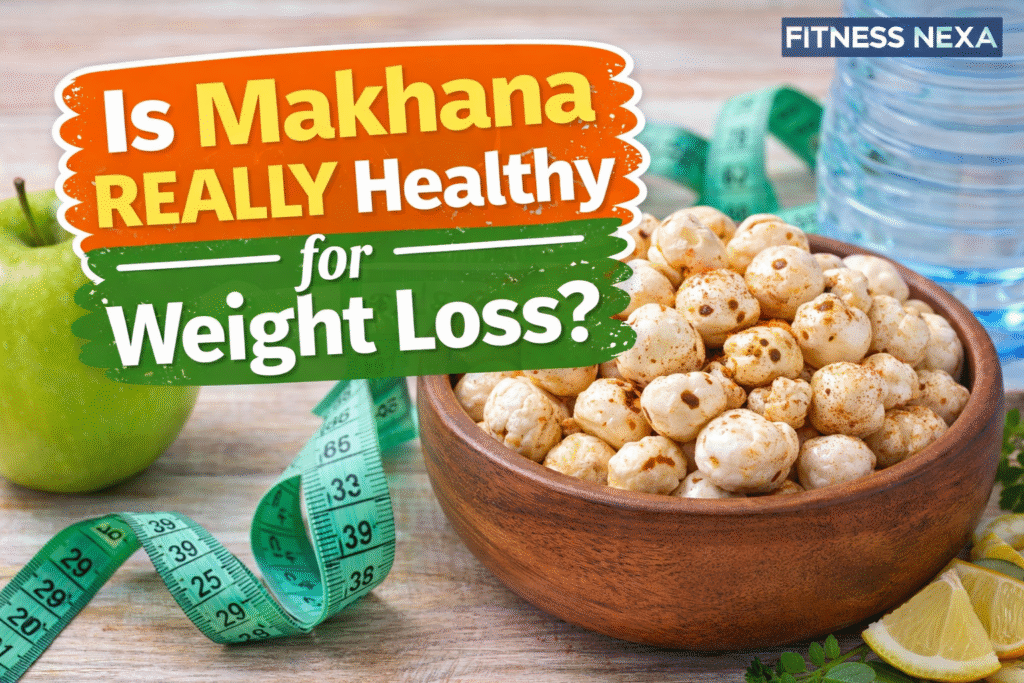
    Is Makhana Really Healthy for Weight Loss? Honest Breakdown

    Is Makhana Really Healthy for Weight Loss?

    Image 9 1024x683

    Makhana is often promoted as a “super healthy” snack. Low calorie, light, and easy to eat. But the real question is not whether makhana is healthy in general.

    The real question is whether makhana actually helps with weight loss, or if it is just another snack that sounds good on paper.

    After trying makhana at different stages of my diet, I realised the answer is not a simple yes or no.


    Why Makhana Became Popular for Weight Loss

    Makhana, also known as fox nuts, became popular because it looks like a guilt-free snack.

    It is light, crunchy, and usually roasted instead of fried. Compared to chips or biscuits, it clearly feels like a better choice.

    However, popularity does not always mean effectiveness. That depends on how and why it is eaten.


    What Makes Makhana Look Weight-Loss Friendly

    On the surface, makhana checks many boxes.

    • Low calorie compared to fried snacks
    • Light on the stomach
    • Easy to portion
    • Works well as an evening snack

    Because of this, many people automatically assume makhana will help them lose weight.


    The Part People Usually Ignore

    Makhana is healthy, but it is not magic. And this is where most people go wrong.

    When roasted with too much oil, butter, or ghee, its calorie count increases quickly. At that point, it stops being a light snack.

    Another issue is mindless eating. Because makhana feels light, it is easy to keep eating without noticing portions.


    Does Makhana Actually Help With Weight Loss?

    In my experience, makhana helps with weight loss only when it is used correctly.

    As a controlled evening snack, makhana works well to manage hunger. It prevents overeating at dinner.

    However, when eaten in large quantities or used as a replacement for proper meals, it can slow progress instead of helping.


    Best Way to Eat Makhana for Weight Loss

    The way makhana is prepared matters more than the food itself.

    • Dry roast or use minimal oil
    • Avoid heavy seasoning or sugar
    • Stick to small portions
    • Eat it slowly, not mindlessly

    When eaten with awareness, makhana fits well into a weight-loss routine.


    When Makhana Is Not a Good Choice

    Makhana may not be ideal if:

    • You snack out of boredom
    • You struggle with portion control
    • You rely on snacks instead of meals

    In these cases, even healthy snacks can become a problem.


    Makhana vs Other Weight Loss Snacks

    Compared to fried snacks, makhana is clearly better. Compared to high-protein snacks, it may feel less filling.

    This is why makhana works best when combined with a balanced diet, not used as the only solution.


    Final Thoughts

    So, is makhana really healthy for weight loss? Yes — but only when eaten with intention.

    Makhana is a useful tool, not a shortcut. It helps control hunger, but it cannot compensate for overeating elsewhere.

    When portioned properly and eaten mindfully, makhana can support weight loss without guilt.

  • Uncategorized

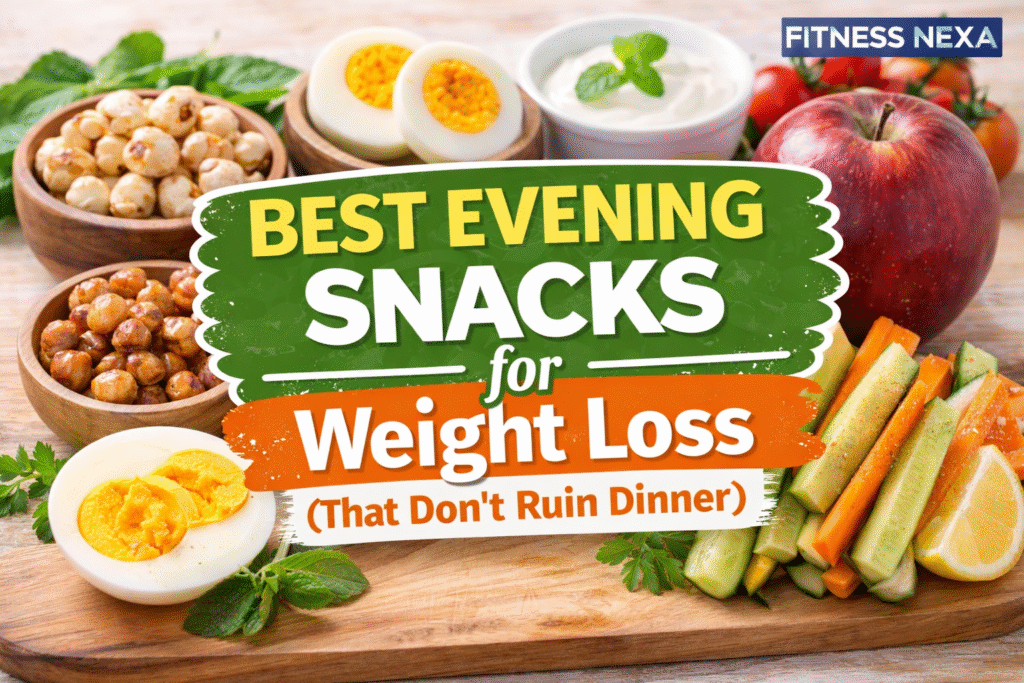
    Best Evening Snacks for Weight Loss (That Don’t Ruin Dinner)

    Best Evening Snacks for Weight Loss That Don’t Ruin Dinner

    Image 8 1024x683

    Evening is where most weight-loss plans quietly fail. Not because people overeat at dinner, but because hunger builds up before it.

    For a long time, I thought avoiding evening snacks was the disciplined approach. In reality, it usually backfired. By the time dinner arrived, portions became bigger than planned.

    What actually helped was choosing the right evening snacks for weight loss. Not heavy snacks, not fancy ones. Just simple options that calm hunger without killing appetite for dinner.


    Why Evening Snacking Matters During Weight Loss

    Between lunch and dinner, the gap is often too long. Energy drops, cravings rise, and willpower weakens.

    Skipping snacks completely may work for a few days, but long term it increases the chance of overeating later.

    A light, planned snack in the evening creates balance. It keeps hunger controlled and makes dinner easier to manage.


    Best Evening Snacks for Weight Loss

    These snacks are chosen for one simple reason: they satisfy hunger without feeling heavy.

    1. Roasted Makhana (Fox Nuts)

    Makhana is light, crunchy, and easy to portion. A small bowl keeps calories low while providing volume.

    It works well when the urge to snack is more about habit than hunger.

    2. Fruit with High Fiber (Apple or Pear)

    Fruits like apples and pears digest slowly due to fiber. They provide mild sweetness without triggering strong cravings.

    One medium fruit is usually enough for the evening.

    3. Greek Yogurt (Plain, Small Portion)

    A few spoonfuls of plain Greek yogurt provide protein and help control hunger until dinner.

    Avoid flavored versions to keep calories in check.

    4. Boiled Egg or Egg Whites

    Protein-rich snacks work well in the evening. One boiled egg or two egg whites keep hunger stable without heaviness.

    5. Roasted Chana

    Roasted chickpeas offer crunch, protein, and fiber. Portion control matters, but a small handful fits easily into a weight-loss plan.

    6. Vegetable Sticks with Salt & Lemon

    Cucumber, carrot, or bell pepper sticks add volume without calories. They are useful when you want to eat but are not truly hungry.


    What Makes an Evening Snack Weight-Loss Friendly

    Not every low-calorie snack works in the evening. Timing matters as much as food choice.

    A good evening snack should:

    • Reduce hunger, not replace dinner
    • Feel light in the stomach
    • Not trigger sugar cravings
    • Be easy to portion

    If a snack makes you skip dinner or overeat later, it is not doing its job.


    Common Evening Snacking Mistakes

    • Snacking directly from large packets
    • Choosing sugary or fried snacks
    • Eating snacks too close to dinner
    • Using snacks to deal with boredom

    Fixing these habits is often more effective than cutting snacks completely.


    Best Time to Eat an Evening Snack

    The ideal window is usually 60–90 minutes before dinner. This timing controls hunger without affecting appetite.

    Late-night snacking is different. Most late-night cravings are habit-based rather than hunger-based.


    Final Thoughts

    Evening snacks are not the enemy of weight loss. Unplanned snacking is.

    Choosing simple, light snacks keeps hunger under control and makes dinner easier to manage.

    When evening snacking is done right, it supports consistency rather than breaking it.

  • Uncategorized

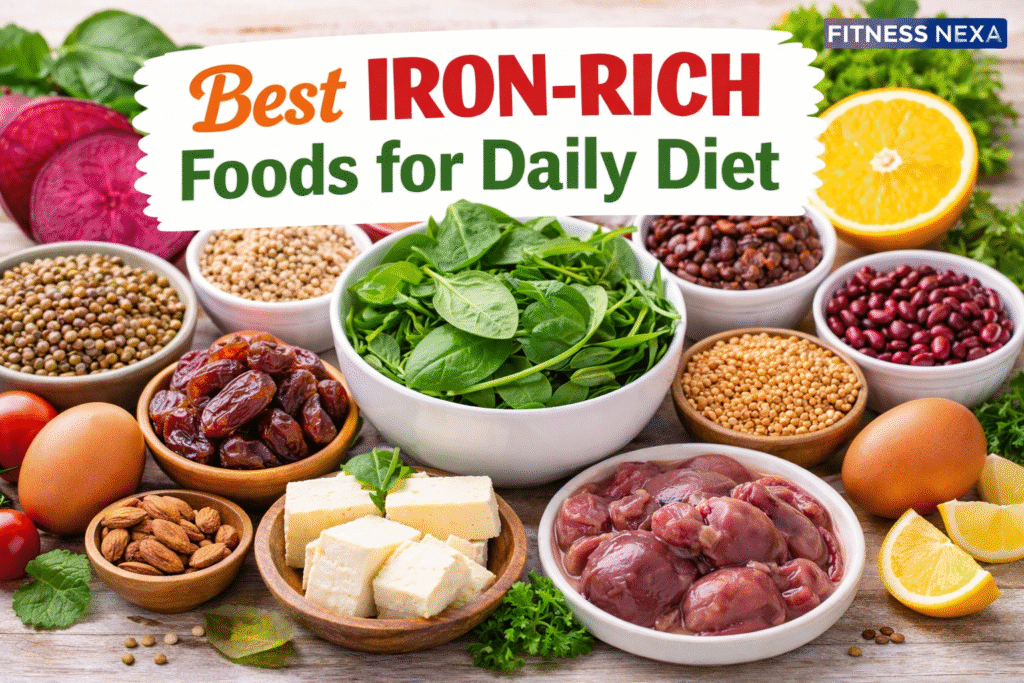
    Best Iron-Rich Foods for Daily Diet

    Best Iron-Rich Foods for Daily Diet: What I Found Actually Works

    Image 6 1024x683

    Iron was never on my priority list earlier. I paid attention to calories, protein, and weight management. Iron felt like something optional.

    That changed when low energy started feeling normal. Not dramatic weakness, not illness. Just a constant feeling that something was missing.

    I am not writing this as a doctor or nutrition expert. This is based on what I noticed when daily food choices quietly affected how my body felt.


    Why Iron Matters More Than People Think

    Iron is usually explained in textbooks as a mineral that helps carry oxygen. That explanation is correct, but it does not explain the real impact.

    When iron intake is low, the body does not shut down. Instead, everything feels slightly harder. Energy drops earlier. Focus becomes inconsistent. Physical activity feels heavier than it should.

    This is why ignoring iron for long periods creates slow problems, not sudden ones.


    What I Personally Noticed Over Time

    There was no single day when I realized iron was the issue. It happened gradually.

    Workdays felt longer. Recovery after workouts slowed down. Even simple tasks required more effort than before.

    Once iron-rich foods became a regular part of meals, nothing magical happened. However, after a few weeks, energy stopped fluctuating so much. That stability was the biggest change.


    Iron-Rich Foods That Actually Fit Into a Daily Diet

    Most people know lists of iron-rich foods. The problem is that many of them are not eaten consistently. Daily diet matters more than occasional intake.

    Spinach and Other Leafy Greens

    Spinach is simple and accessible. It is not exciting, but it works. Small amounts added regularly are more effective than large portions eaten rarely.

    Lentils and Legumes

    Lentils, chickpeas, and beans are reliable. They are filling, affordable, and easy to include in everyday meals. Their consistency makes them useful for long-term nutrition.

    Dates and Raisins

    These are often avoided due to sugar concerns. In moderate amounts, they provide iron along with quick energy. They work well when energy dips during the day.

    Paneer and Tofu

    These are not powerful iron sources on their own. However, when eaten regularly with vegetables, they contribute steadily. For vegetarians, this combination matters.

    Eggs

    Eggs are practical. They provide iron along with protein, making them useful beyond just one nutrient.

    Red Meat (Optional)

    Red meat contains iron that the body absorbs easily. That said, moderation matters. More is not always better.


    Iron Absorption Is Often Overlooked

    Many people assume eating iron-rich food is enough. It is not always that simple.

    Tea or coffee close to meals can interfere. Vitamin C helps, but it does not need to be complicated. Small adjustments usually make a noticeable difference.


    Signs That Often Get Ignored

    Iron deficiency does not always announce itself loudly. More often, it shows up as patterns.

    • Persistent tiredness without a clear reason
    • Lower stamina than usual
    • Difficulty maintaining focus
    • Frequent headaches
    • Increased hair fall over time

    If these signs continue, testing levels is a better idea than guessing.


    Final Thoughts

    Iron is not a miracle nutrient. It will not transform health overnight.

    What it does provide is balance. Stable energy. More predictable performance. Less unexplained fatigue.

    For most people, consistent daily food choices are enough. Supplements should remain a backup, not the first solution.