

How to Track Fat Loss When the Scale Isn’t Accurate

Why the Scale Can Lie During Fat Loss (From My Real Experience)
Introduction – Let’s Talk Honestly
There was a phase in my fitness journey that really tested my patience.
I was doing everything right.
• Workouts were consistent
• Food was controlled
• Water intake was good
• Sleep was improving
I was disciplined.
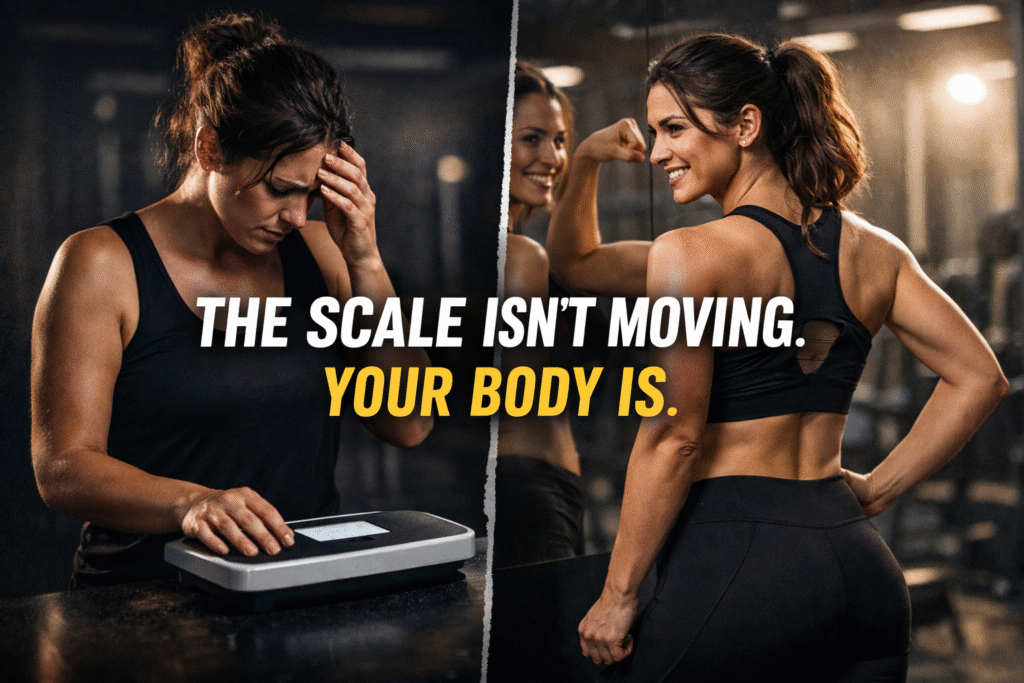
But when I stepped on the scale…
Nothing changed.
Not for days.
Not for weeks.
Same number.
Every single time.
And honestly, that’s where frustration started.
I remember thinking:
“Am I doing something wrong?”
“Why is nothing working?”
It felt like all the effort was going to waste.
But later, I realized something very important:
The scale was not showing the full picture.
And if you’ve ever felt stuck like this…
This will make total sense to you.
Fat Loss and Weight Loss Are Not the Same
This is something I understood very late.
Earlier, I thought:
Weight going down = fat loss
Weight not changing = no progress
But that’s not true.
The scale only shows total body weight.
It includes:
• Fat
• Muscle
• Water
• Food weight
But it does NOT show:
• Fat loss
• Muscle gain
• Recovery
• Internal changes
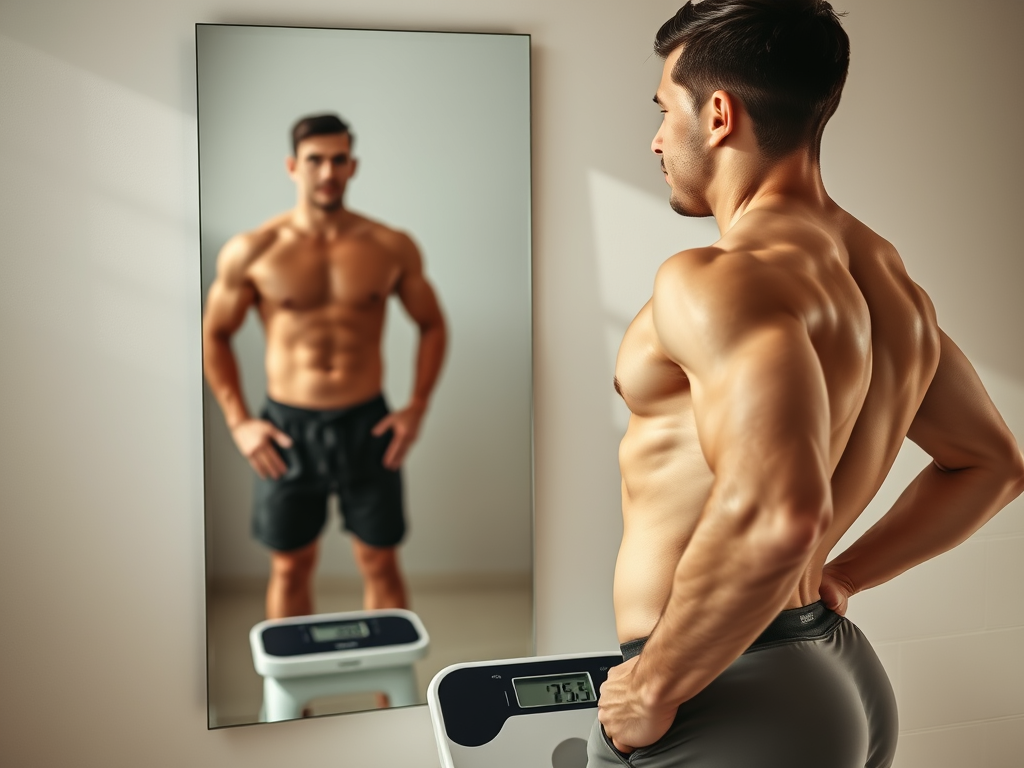
There were times when my weight stayed the same…
But my body looked better.
That’s when I realized:
Progress was happening — just not on the scale.
Body Re-composition Happens Quietly
This is one of the most confusing phases.
Because nothing looks dramatic.
But a lot is happening.
I personally experienced this phase.
During this time:
• My strength improved
• My body felt tighter
• Clothes started fitting better
• Energy levels were stable
But the scale?
Still the same.
That’s because my body was:
✔ Losing fat
✔ Building muscle
At the same time.
And that doesn’t always show on the scale.
Simple Realization
Not all progress is visible instantly.
Water Retention Can Hide Progress
This was something I never expected.
When I started training harder and eating better…
My weight sometimes increased.
Which was confusing.
Later I learned:
• Muscles store energy (glycogen)
• Glycogen holds water
• More training = more water retention
So even when fat was reducing…
Water was hiding that progress.
And then suddenly one day…
The weight dropped.
Not because fat loss started that day…
But because water reduced.
Simple Realization
The scale can delay showing your progress.
Why Obsessing Over the Scale Slows You Down
I used to check my weight daily.
Sometimes even twice a day.
And honestly, it affected my mindset.
• If weight was same → bad mood
• If weight increased → frustration
• If weight dropped → temporary happiness
This created stress.
And stress affects the body.
It increases cortisol.
And high cortisol can slow fat loss.
So the more I stressed about the scale…
The slower my progress became.
Simple Fix
• Don’t check weight daily
• Focus on weekly trends
• Stay calm and consistent
Better Ways to Track Real Progress
Once I stopped depending only on the scale…
Everything changed.
I started tracking:
• How my clothes fit
• Progress photos
• Strength in workouts
• Energy levels
• Body measurements
And honestly, these were far more precise.
Because they showed real changes.
⚠️ Disclaimer: This content is for informational purposes only and is not medical advice. Always consult a qualified professional before starting any fitness or diet program. Results vary.