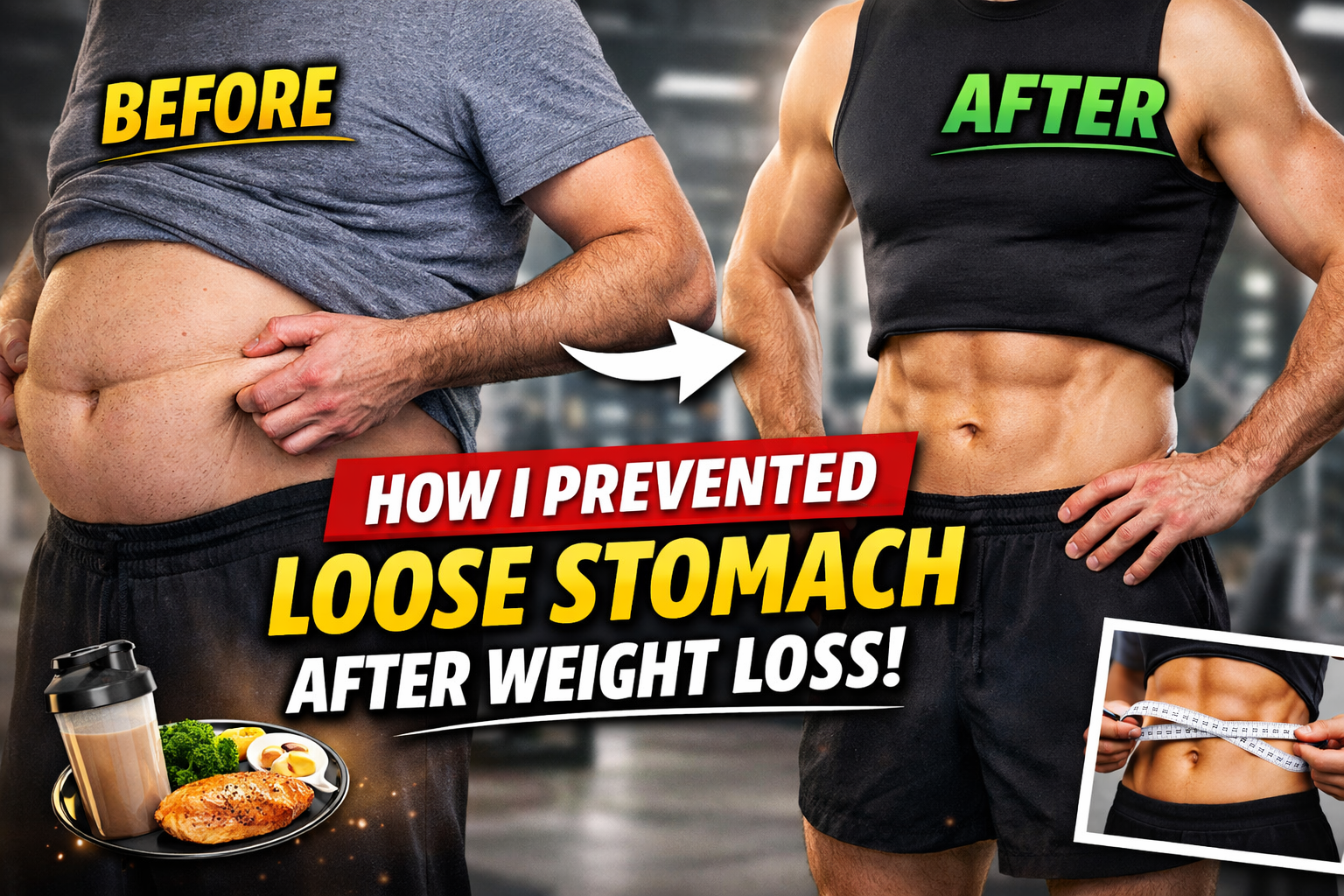
Why My Stomach Did Not Become Loose After Weight Loss: My Real Experience
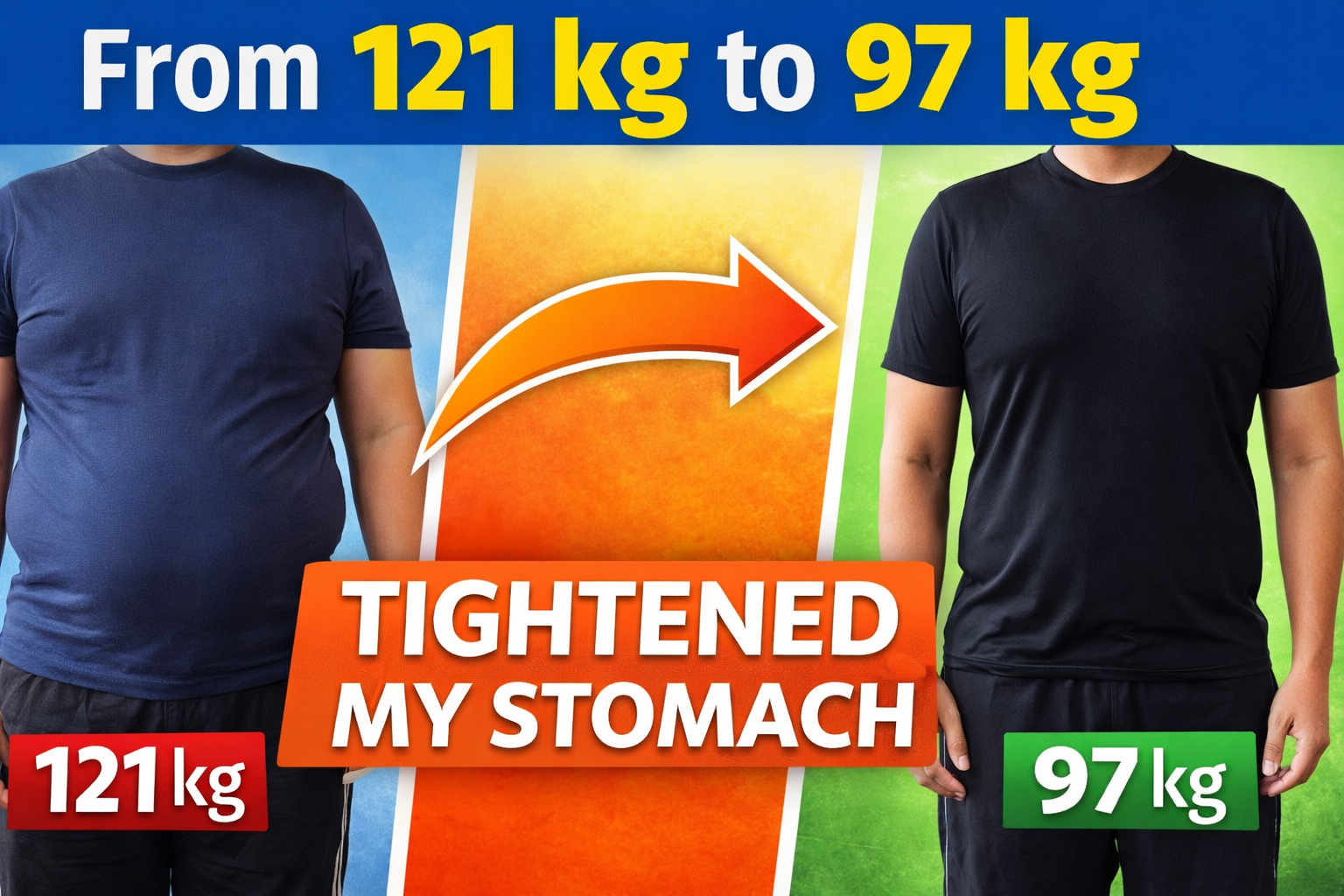
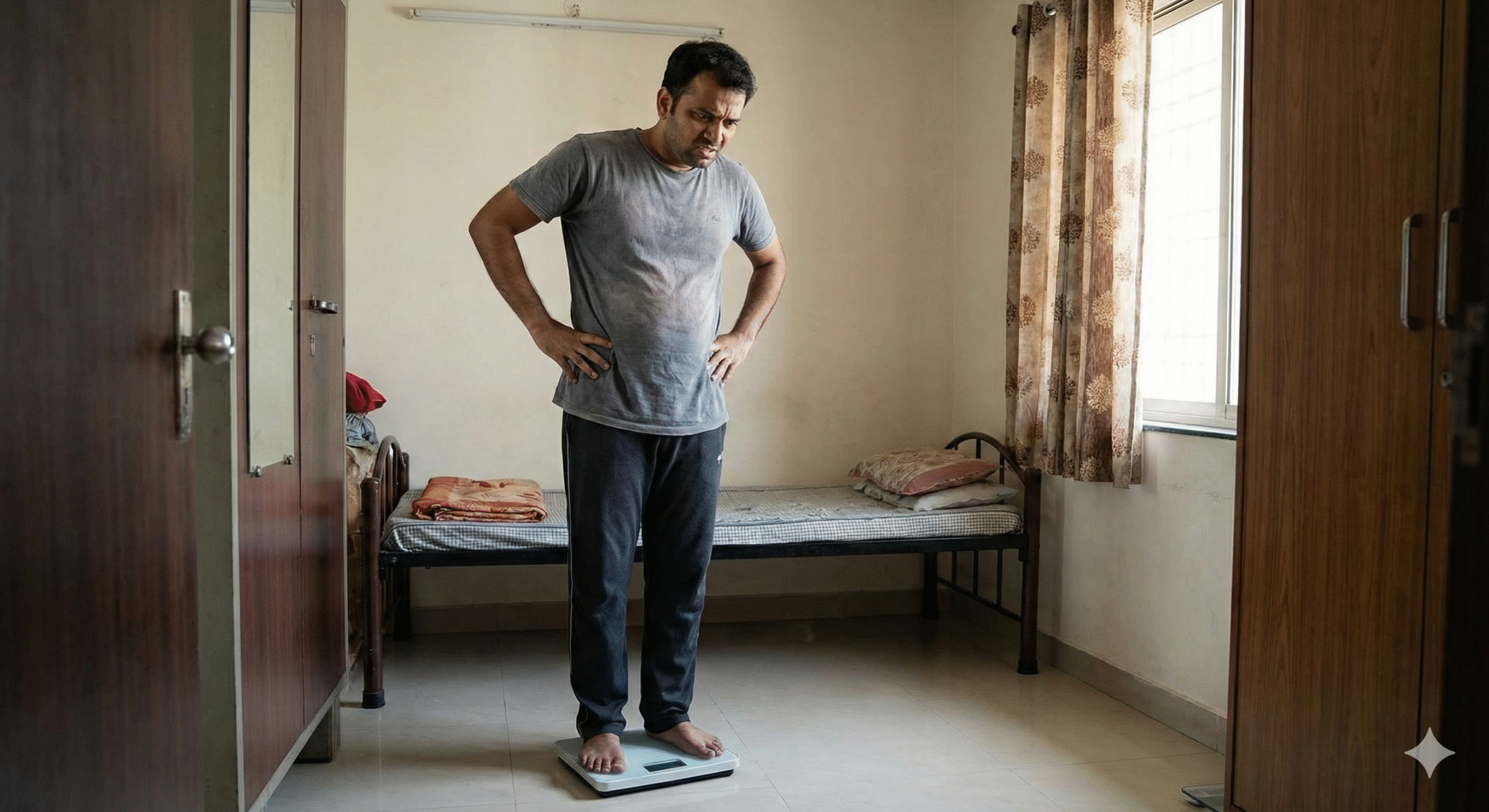
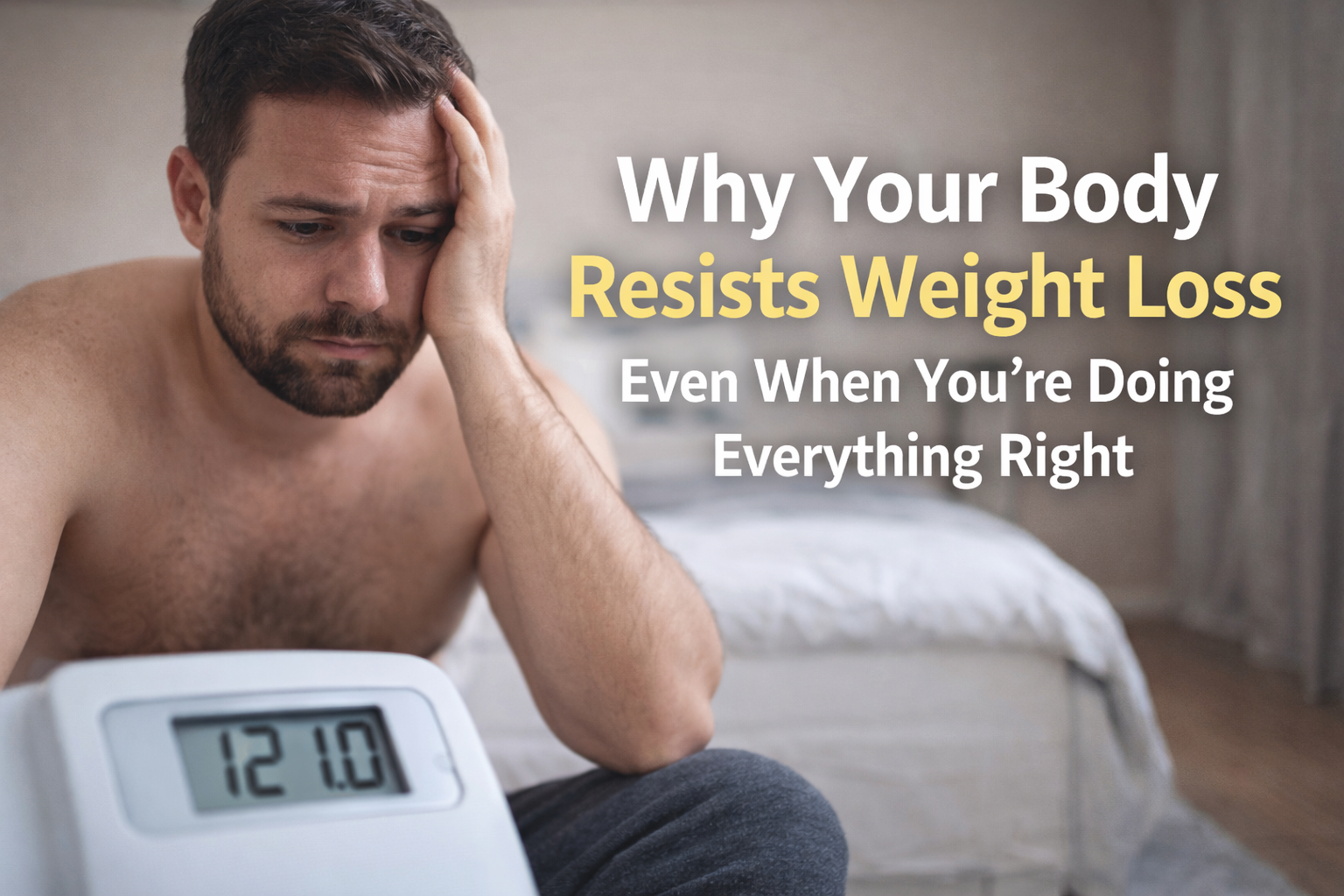
I still remember the day I stepped on the weighing scale and saw 121 kg. Honestly, losing weight sounded exciting at first. But one thought kept coming back again and again.
What if I lose weight… and my stomach becomes loose?
I had already seen people who looked lighter on the scale but unhappy in the mirror. Because of that, I decided early on that I wouldn’t chase fast results. I wanted to lose weight, yes — but not at the cost of a sagging belly.
Over the next six months, as my weight slowly moved from 121 kg to 97 kg, I started understanding why the stomach becomes loose after weight loss and what actually helps prevent it.
This approach worked because my stomach-tightening journey focused on habits, patience, and consistency rather than rushing the process. how I tightened my stomach after weight loss
Why Does the Stomach Become Loose After Weight Loss?
In simple words, the stomach becomes loose when fat reduces faster than the body can adjust. However, that’s not the full story. There are a few mistakes most people make — including me, in the beginning.
Rapid Weight Loss Without Muscle Support
At first, I thought faster weight loss meant better progress. But very quickly, I realised that when weight drops too fast, fat disappears before muscles get strong enough to support the skin.
As a result, the stomach looks flatter, but it feels soft. That’s usually the first sign of a problem.
Low Protein Intake During Weight Loss
Another mistake I see very often is cutting calories aggressively while completely ignoring protein. I did this too, initially.
Without enough protein, muscle slowly weakens. And when muscle weakens, the stomach loses its firmness. Once I fixed this, things started changing — not overnight, but steadily.
Ignoring Core Strength
For a long time, I believed walking was enough. Walking definitely helped with fat loss. However, it did nothing to pull my stomach inward.
That only started happening once I began paying attention to core strength. Not fancy abs. Just basic control.
What I Did Differently This Time
I Slowed Everything Down
Instead of rushing, I focused on consistency. Roughly 24 kg in six months. Some weeks felt great. Some weeks felt painfully slow.
But slowing down gave my body time to adapt. Because of that, my stomach never reached that loose, hanging stage.
I Focused on Core Control, Not Extreme Exercises
I didn’t jump into hardcore workouts. Most days, it was just planks, controlled leg movements, and breathing properly.
Over time — and this part is important — my posture improved. And once posture improves, the stomach automatically looks tighter.
I Took Water Retention Seriously
This surprised me. Some days my stomach looked softer even though fat was reducing. That’s when I realised it wasn’t fat — it was water retention.
Reducing excess salt and staying hydrated made a visible difference within days. Not dramatic. Just noticeable.
Can Loose Stomach After Weight Loss Be Prevented?
In most cases, yes. However, it depends on how weight loss is approached.
Extreme weight loss can still cause loose skin. That said, most people can avoid severe looseness by protecting muscle and being patient.
How Long Does Stomach Tightening Take?
- First few weeks: bloating reduces
- 1–2 months: firmness slowly improves
- 3–6 months: visible tightening appears
Most importantly, this process is slow. And that’s actually a good thing.
Final Thoughts
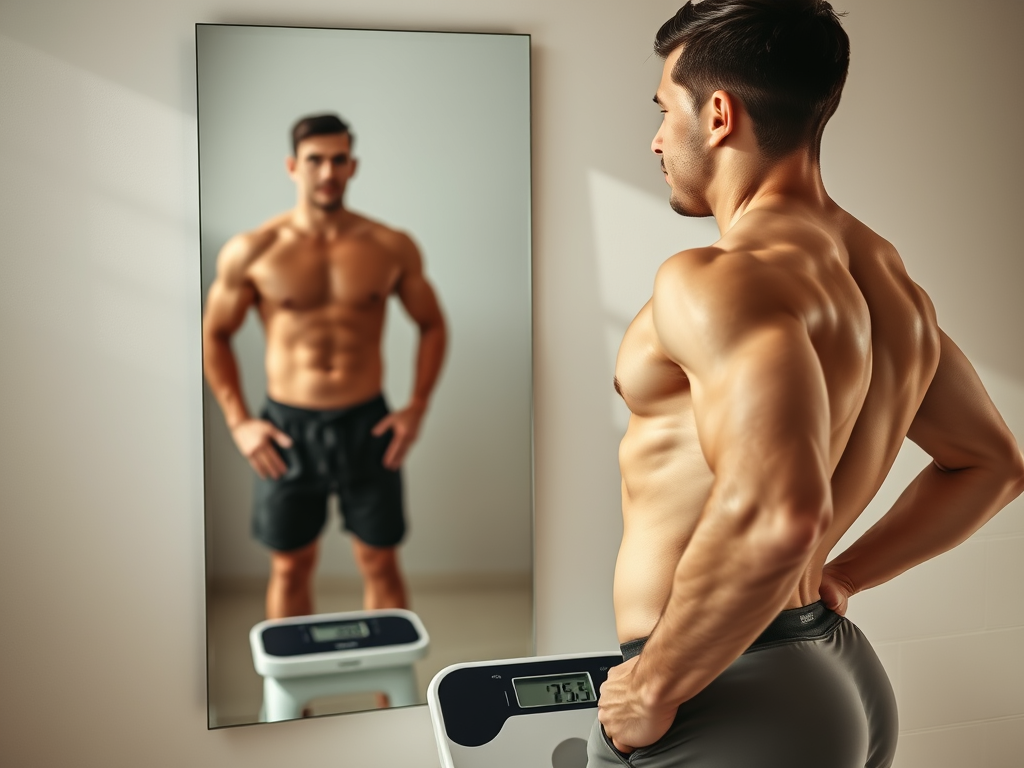
Looking back, my journey from 121 kg to 97 kg taught me something important. Weight loss is not just about numbers.
It’s about how your body feels. How you stand. And how confident you feel in your own skin.
Loose stomach after weight loss is not inevitable. But avoiding it requires patience — and a bit of honesty with yourself.