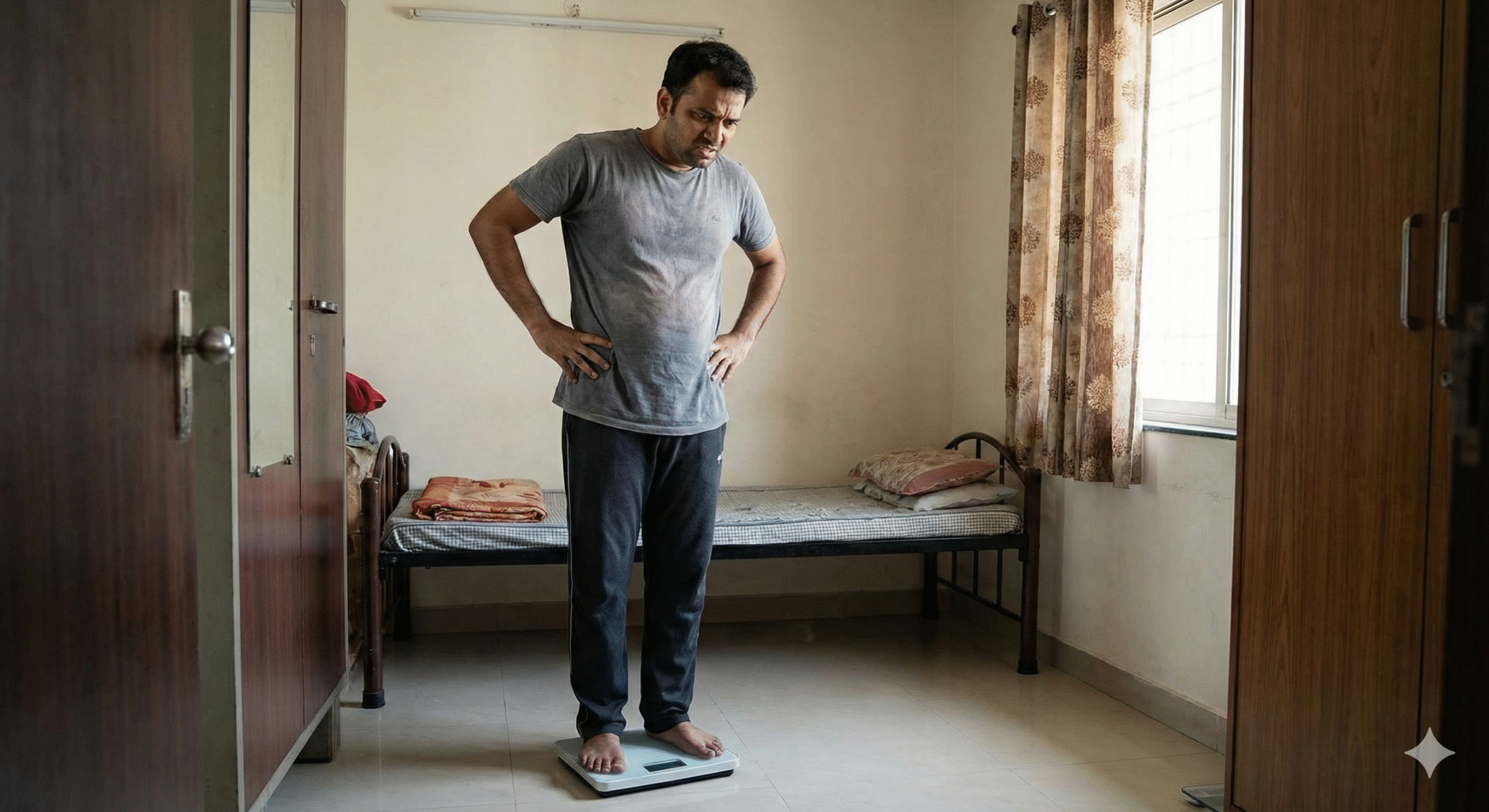
Walking is often called the most underrated form of exercise. No gym, no equipment, no complex routine — yet very few people take it seriously. To test its real impact, I walked 10,000 steps every day for 21 days. This article shares my honest, experience-based results.

Why I Decided to Walk 10,000 Steps Every Day
At Fitness Nexa, we believe sustainable fitness matters more than extreme workouts. I was not chasing fast weight loss or dramatic transformations. I wanted to understand whether simple daily movement could improve energy, mood, and overall health.
The goal was consistency — not perfection. No supplements. No calorie tracking. No gym workouts added intentionally. Just walking.
How I Completed 10,000 Steps Daily (Realistic Approach)
Walking 10,000 steps in one session is unrealistic for most beginners. So I divided my steps throughout the day.
- Morning walk: 3,000–4,000 steps
- Afternoon movement: 2,000–3,000 steps
- Evening walk: Remaining steps
Some days were outdoor walks. Other days included indoor walking, pacing during phone calls, and using stairs. The key was flexibility.
Week 1 Experience: Harder Than Expected
Physical Feelings
The first week was uncomfortable. Not painful — but my body was clearly adjusting.
- Mild foot soreness
- Tight calves
- Lower body fatigue
This surprised me. Many people think walking is effortless, but if your lifestyle is mostly sedentary, even walking becomes a challenge.
Mental Resistance
The biggest challenge was mental. Some days, motivation was low. I constantly thought about skipping steps and compensating later. This is where discipline mattered.
Week 2 Experience: Energy & Mood Shift
By the second week, something changed. Walking no longer felt forced. It became part of my daily routine.
Improved Energy Levels
Mornings felt lighter. I noticed less sluggishness during the day. Even after long sitting hours, my body felt more active.
Digestion & Appetite
Digestion improved noticeably. Bloating reduced. Hunger cues felt natural instead of random cravings. This is a benefit many people underestimate.
Mental Health Benefits
Walking became my mental reset. No phone distractions. No pressure. Just movement. Stress didn’t disappear, but it felt easier to manage.
Week 3 Experience: Visible & Internal Changes
By week three, walking felt normal. I no longer had to force myself.
Body Changes (Honest Truth)
There was no dramatic weight loss. No six-pack. But subtle changes were noticeable:
- Reduced water retention
- Better posture
- Less stiffness in legs and lower back
My clothes felt slightly more comfortable. The change was slow — but real.
Endurance & Recovery
Daily stamina improved. I could walk longer without fatigue. Recovery between days felt easier. My body adapted naturally.
Calories Burned by Walking 10,000 Steps
Calories burned depend on body weight, pace, and terrain. On average:
- Approx. 300–450 calories burned per day
- Higher if walking pace is brisk
Walking alone may not cause rapid fat loss, but it creates a calorie deficit without stressing the body.
Common Mistakes People Make With 10,000 Steps
- Trying to do all steps at once
- Ignoring footwear and posture
- Walking too fast initially
- Expecting dramatic results in a week
Walking is a long-term habit, not a short-term challenge.
Is Walking 10,000 Steps Enough for Fat Loss?
Walking supports fat loss, but it works best when combined with:
- Balanced diet
- Strength training (optional)
- Proper sleep
From experience, walking builds a strong fitness foundation. It prepares your body for more intense workouts later.
Who Should Try the 10,000 Steps Challenge?
- Beginners starting fitness
- People with sedentary lifestyles
- Those who dislike gym workouts
- Anyone focusing on consistency over intensity
My Final Verdict After 21 Days
Walking 10,000 steps daily did not transform my body overnight. But it transformed my mindset.
I moved more. I felt better. I stayed consistent.
And that is exactly how real fitness progress starts.
Simple habits, done daily, always win.
Train smart. Stay active. — Fitness Nexa