
The Best Iron Rich Foods You Can Eat Daily for Better Energy and Health
Iron was never on my priority list earlier. I paid attention to calories, protein, and weight management. Iron felt like something optional.
That changed when low energy started feeling normal. Not dramatic weakness, not illness. Just a constant feeling that something was missing.
I am not writing this as a doctor or nutrition expert. This is based on what I noticed when daily food choices quietly affected how my body felt.
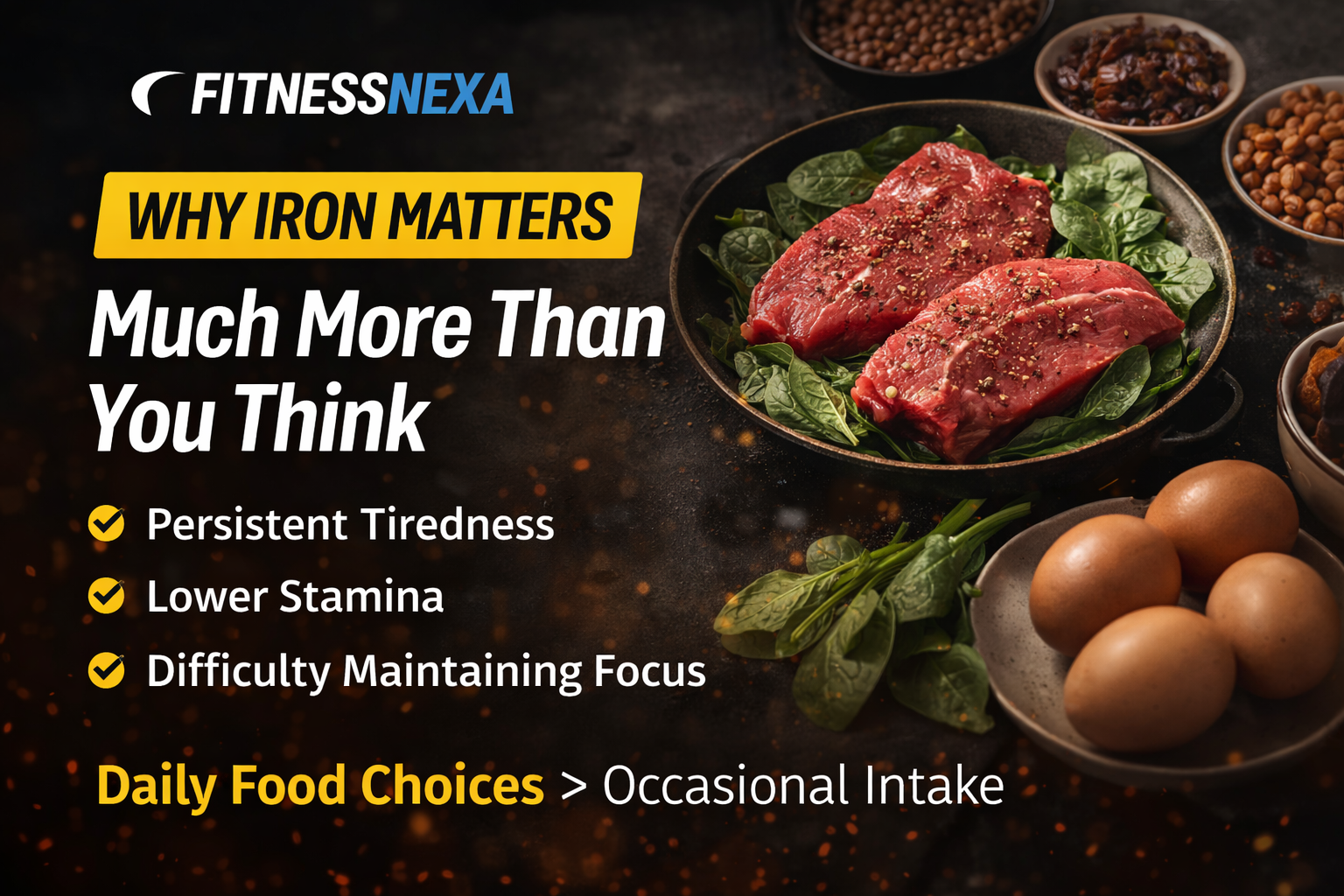
Why Iron Matters More Than People Think
Iron is usually explained in textbooks as a mineral that helps carry oxygen. That explanation is correct, but it does not explain the real impact.
When iron intake is low, the body does not shut down. Instead, everything feels slightly harder. Energy drops earlier. Focus becomes inconsistent. Physical activity feels heavier than it should.
This is why ignoring iron for long periods creates slow problems, not sudden ones.
What I Personally Noticed Over Time
There was no single day when I realized iron was the issue. It happened gradually.
Workdays felt longer. Recovery after workouts slowed down. Even simple tasks required more effort than before.
Once iron-rich foods became a regular part of meals, nothing magical happened. But, after a few weeks, energy stopped fluctuating so much. That stability was the biggest change.
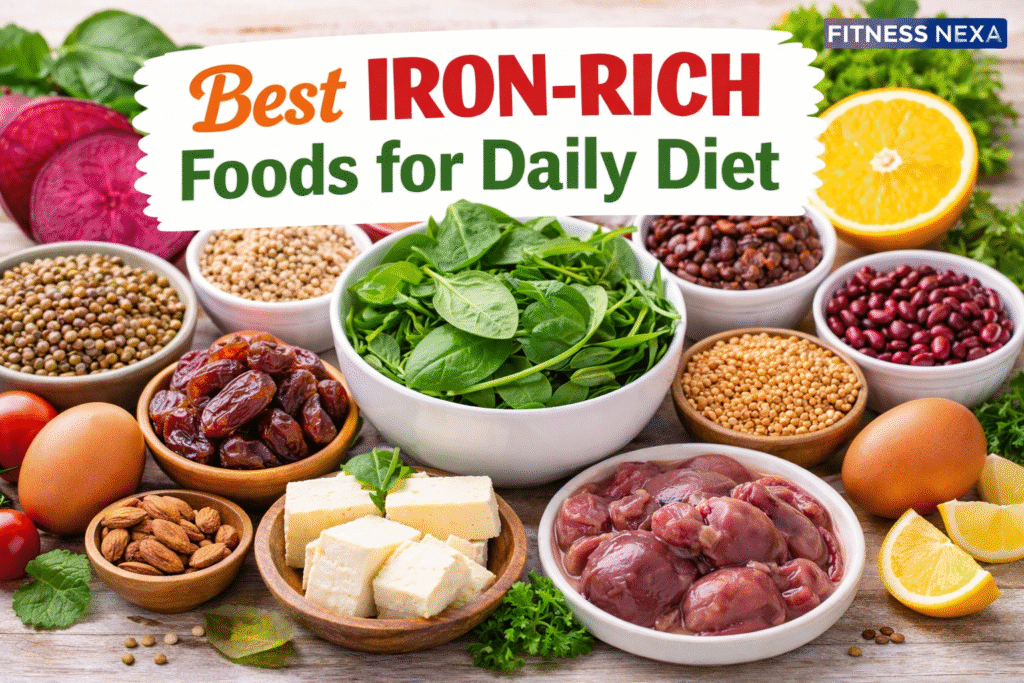
Iron-Rich Foods That Actually Fit Into a Daily Diet
Most people know lists of iron-rich foods. The problem is that many of them are not eaten consistently. Daily diet matters more than occasional intake.
Spinach and Other Leafy Greens
Spinach is simple and accessible. It is not exciting, but it works. Small amounts added regularly are more effective than large portions eaten rarely.
Lentils and Legumes
Lentils, chickpeas, and beans are reliable. They are filling, affordable, and easy to include in everyday meals. Their consistency makes them useful for long-term nutrition.
Dates and Raisins
These are often avoided due to sugar concerns. In moderate amounts, they give iron along with quick energy. They work well when energy dips during the day.
Paneer and Tofu
These are not powerful iron sources on their own. Nonetheless, when eaten regularly with vegetables, they contribute steadily. For vegetarians, this combination matters.
Eggs
Eggs are practical. They offer iron along with protein, making them useful beyond just one nutrient.
Red Meat (Optional)
Red meat contains iron that the body absorbs easily. That said, moderation matters. More is not always better.
Iron Absorption Is Often Overlooked
Many people assume eating iron-rich food is enough. It is not always that simple.
Tea or coffee close to meals can interfere. Vitamin C helps, but it does not need to be complicated. Small adjustments usually make a noticeable difference.
Signs That Often Get Ignored
Iron deficiency does not always announce itself loudly. More often, it shows up as patterns.
- Persistent tiredness without a clear reason
- Lower stamina than usual
- Difficulty maintaining focus
- Frequent headaches
- Increased hair fall over time
If these signs continue, testing levels is a better idea than guessing.
Final Thoughts
Iron is not a miracle nutrient. It will not transform health overnight.
What it does offer is balance. Stable energy. More predictable performance. Less unexplained fatigue.
For most people, consistent daily food choices are enough. Supplements should stay a backup, not the first solution.
⚠️ Disclaimer: This content is for informational purposes only and is not medical advice. Always consult a qualified professional before starting any fitness or diet program. Results vary.